
Insider Brief
- Quandela and NVIDIA have published a technical white paper outlining an architecture for integrating Quandela’s photonic QPUs into existing AI and HPC infrastructure.
- The framework combines CPUs, GPUs and QPUs, with NVIDIA CUDA-Q, cuQuantum and NVQLink supporting quantum algorithm development, GPU simulation and low-latency QPU integration.
- The companies propose a three-step path covering access, integration and discovery, and scaling as organizations identify quantum workloads with potential value.
PRESS RELEASE — Building on our June announcement of a low-latency integration between a Quandela photonic QPU and NVIDIA AI infrastructure, the companies are publishing a technical white paper today. This paper outlines a vision and architectural framework for gradually integrating quantum computing into current AI and HPC environments.
This approach is based on the complementarity of CPUs, GPUs and QPUs. The CPU orchestrates workflows, while the GPU remains at the center of AI processing, notably handling intensive computation and simulation. The QPU acts as a specialized accelerator for workloads for which quantum computing could bring significant value.
Thanks to the NVIDIA CUDA-Q platform (an open quantum-GPU supercomputing programming platform) and NVIDIA cuQuantum (an SDK optimized for simulating quantum computations on GPUs), algorithms can be developed, simulated and tested on GPU before being run on an actual photonic QPU. NVIDIA NVQLink enables a low-latency connection between the NVIDIA GPU environment and the Quantum System Controller, which then controls the QPU.

Organizations can thus progressively explore quantum applications by relying on their existing computing infrastructure, without having to replace their current environments.
A Step Toward More Accessible Quantum Computing
By facilitating the integration of quantum computing into current AI and HPC environments, this platform empowers users to experiment, develop, and test quantum applications directly from their standard workflows.
The primary goal is to identify workloads where quantum computing can deliver significant value and progressively bring the most relevant applications to light.
The collaboration follows a three-step approach: Access, Integration & Discovery, and Scale.
- Access allows researchers and organizations to discover and experiment with quantum computing without having their own infrastructure.
- Integration & Discovery involves integrating the QPU into existing CPU and GPU environments to develop, simulate and test various algorithms, and to identify the workloads for which quantum computing could be particularly relevant.
- Scale aims to scale up applications that have demonstrated their potential toward larger, more powerful quantum systems.
This approach allows users to progress step by step toward quantum computing, building on their existing infrastructure and developing new capabilities as high-potential applications are identified.
An Architecture Presented at IEEE Quantum Week
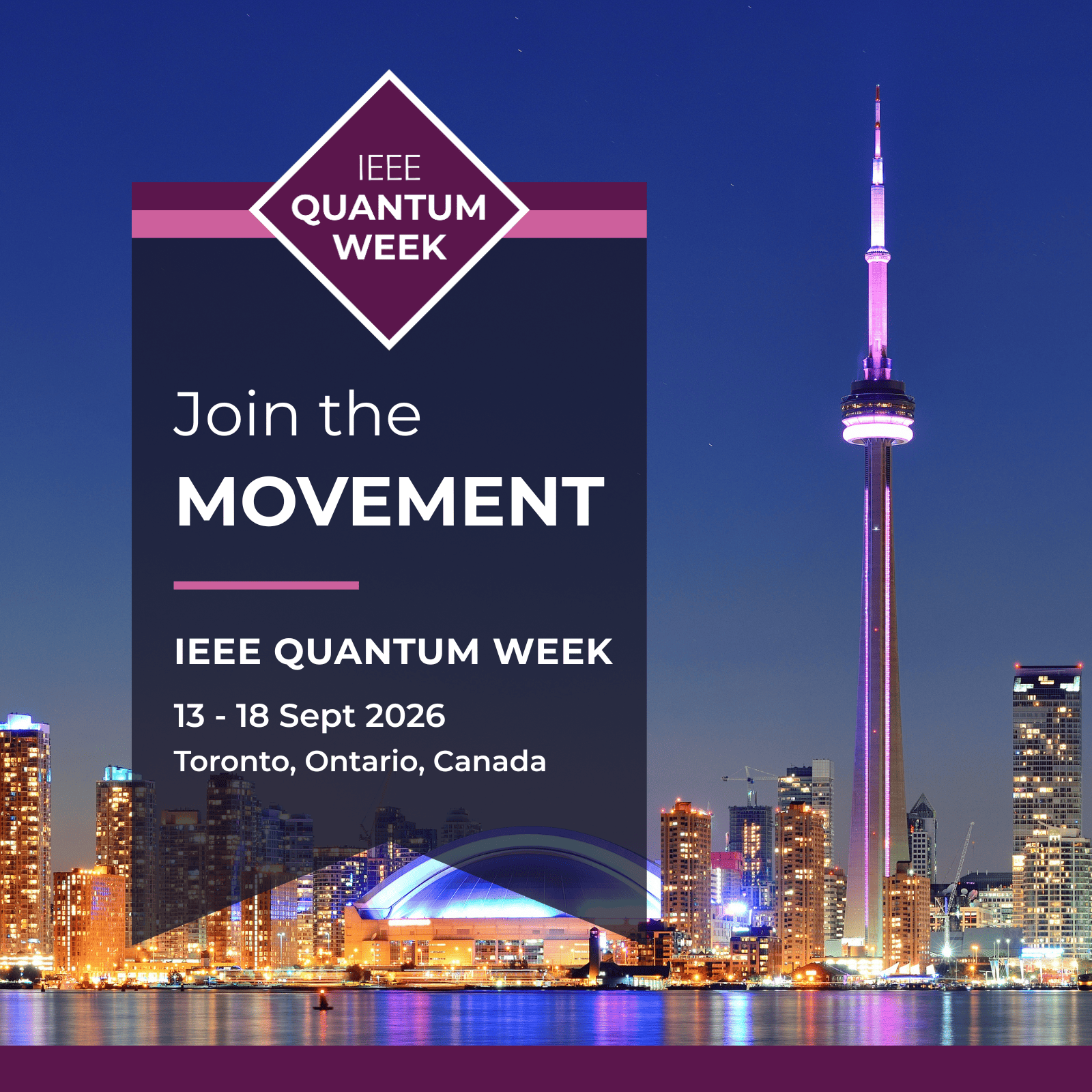
The architecture developed by Quandela building on NVIDIA technologies will be presented at IEEE Quantum Week 2026 in Toronto on the morning of September 17, at the NVIDIA booth (#600).
At the event, Quandela’s teams will discuss the integration of photonic QPUs into AI and HPC infrastructures with visitors and present their joint publication on this new hybrid architecture combining GPU and QPU computing capabilities.
Jean Senellart, Chief Technology and Product Officer at Quandela states:
“The challenge is no longer just about accessing a QPU, but about integrating it directly into AI workflows. With NVIDIA, we are opening a path where the photonic QPU becomes a specialized accelerator for exploring and validating hybrid algorithms, particularly in QML, before scaling the most promising use cases.”
Sam Stanwyck, Director of Quantum Product at NVIDIA says:
“Quantum computing becomes more useful when it moves beyond standalone access and becomes part of the accelerated computing researchers already use. Our work with Quandela provides a step-by-step model for bringing photonic QPUs into NVIDIA quantum-GPU supercomputing, helping teams identify promising applications today and scale them as more powerful systems come online.”