hzero Emerges From Stealth to Coordinate Quantum and Classical Computing


Insider Brief
- hzero has emerged from stealth to develop software that coordinates workloads and resources across quantum and classical computing systems.
- The software is designed to integrate with existing computing tools and adjust resource use based on application requirements, operating conditions and operator priorities.
- Led by co-founders Bruno G. Taketani and Martin Rüfenacht, the company is backed by LEA Ventures, FORWARD.one and Leo Capital.
hzero has emerged from stealth with software designed to help quantum computers and classical computing systems work together, backed by investors including LEA Ventures, FORWARD.one and Leo Capital.
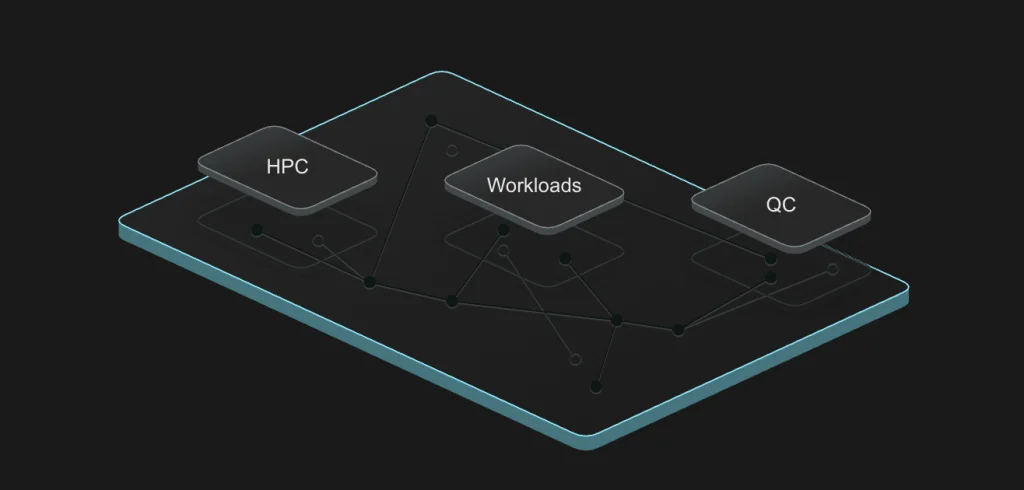
The Munich, Germany-based company is developing a software layer that coordinates computing jobs and resources across quantum processors and high-performance computing infrastructure. Its approach is designed to work with the scheduling tools, application software and quantum computing systems that operators already use.
Co-founders Bruno G. Taketani, chief executive, and Martin Rüfenacht, chief technology officer, lead the company. The team brings experience in quantum hardware, control systems, high-performance computing and systems software, according to the company’s website.

hzero’s software addresses the operation of hybrid computing systems, which combine quantum and classical resources. The company says connecting those resources is one step while coordinating how they are used is another.
Its software combines information about an application’s requirements, the current condition of computing resources and the priorities set by infrastructure operators. It uses that information to coordinate work across the system and adjust resource use as operating conditions change.
Operators can set different priorities, such as completing more computing jobs, improving execution quality or using available resources more efficiently, according to the company. The software is intended to support those choices across infrastructure containing different types of quantum processors and classical computers.
For quantum computer manufacturers, hzero is offering integration, joint development and technology partnerships. The company says its software can help manufacturers fit their systems into customers’ existing computing environments and coordinate their use with other resources.
For high-performance computing centers and infrastructure operators, hzero is seeking technical evaluations, infrastructure integration work and pilot deployments. Its stated aim is to help those organizations add quantum processors and other computing resources while continuing to use their existing software.
The company’s team also includes founding engineer Rakhim Davletkaliyev, principal software engineer Muhammad Nufail Farooqi and senior data scientist Juan Venegas.
According to hzero, the team’s previous work includes developing and deploying software that connects quantum processors with high-performance computing infrastructure. Team members have also contributed to an interface designed to connect quantum devices from different vendors and built software that gives advanced users greater access to hardware capabilities.
LEA Ventures lists hzero as a pre-seed portfolio company. In a LinkedIn announcement, the investor said the backing marked its first commitment in quantum technology and named FORWARD.one and Leo Capital as fellow investors.
hzero’s company site also states that it has support from the European Union. The materials describe opportunities for manufacturers and infrastructure operators to explore integration, technical evaluations and joint development with the team.

Keep track of everything going on in the Quantum Technology Market. In one place.
Topics

Matt Swayne
With a several-decades long background in journalism and communications, Matt Swayne has worked as a science communicator for an R1 university for more than 12 years, specializing in translating high tech and deep tech for the general audience. He has served as a writer, editor and analyst at The Quantum Insider since its inception. In addition to his service as a science communicator, Matt also develops courses to improve the media and communications skills of scientists and has taught courses.
[email protected]

Stay Ahead of Quantum
Get the latest research, company news, and market intelligence every week.