

Insider Brief
- IBM plans to invest more than $10 billion in quantum computing over the next five years as it targets delivery of a large-scale fault-tolerant quantum computer by 2029.
- According to IBM’s SEC disclosure, the company has deployed more than 90 quantum systems globally and built a quantum ecosystem involving more than 325 Fortune 500 companies, startups, universities and government agencies.
- The investment announcement follows a Letter of Intent between IBM and the U.S. Department of Commerce to establish Anderon, a standalone American quantum chip foundry backed by CHIPS Act incentives and additional IBM funding.
- Image: IBM
Fresh off news that the government is investing big bucks in IBM’s quantum tech, the company reports it is deepening its bet on quantum computing with plans to invest more than $10 billion over the next five years, according to a SEC disclosure.
The move reinforces the company’s push to build what it says could become the first large-scale fault-tolerant quantum computer by 2029.
According to the IBM SEC disclosure filed today (May 28), the investment will span research and development, manufacturing expansion, ecosystem partnerships, capital expenditures, and mergers and acquisitions tied to quantum technologies. The disclosure also reinforced IBM’s long-term confidence in reaching fault tolerance, a milestone widely viewed as critical for turning quantum systems into reliable commercial machines capable of solving problems beyond the reach of conventional computers.

The announcement comes as governments and technology companies are moving fast to secure leadership in quantum computing, which many experts believe could eventually reshape industries ranging from pharmaceuticals and chemicals to logistics, defense and cybersecurity.
IBM said it has already deployed more than 90 quantum systems globally, which the company described as more than the total publicly reported by all other quantum industry players combined. According to the SEC disclosure, IBM’s quantum network now includes more than 325 Fortune 500 companies, startups, universities and government agencies using its systems for research in chemistry, biology and materials science.
The company’s latest investment pledge also follows a recent Letter of Intent between IBM and the U.S. Department of Commerce to create a dedicated American quantum chip foundry. As previously reported, the initiative would establish a new standalone company called Anderon, which would focus exclusively on manufacturing quantum wafers in the United States.
The project arguably represents one of the most aggressive U.S. industrial policy efforts in quantum computing to date. According to The Quantum Insider, the Department of Commerce plans to provide $1 billion in CHIPS Act incentives to support the venture, while IBM is expected to contribute another $1 billion in cash along with intellectual property, infrastructure and workforce support.
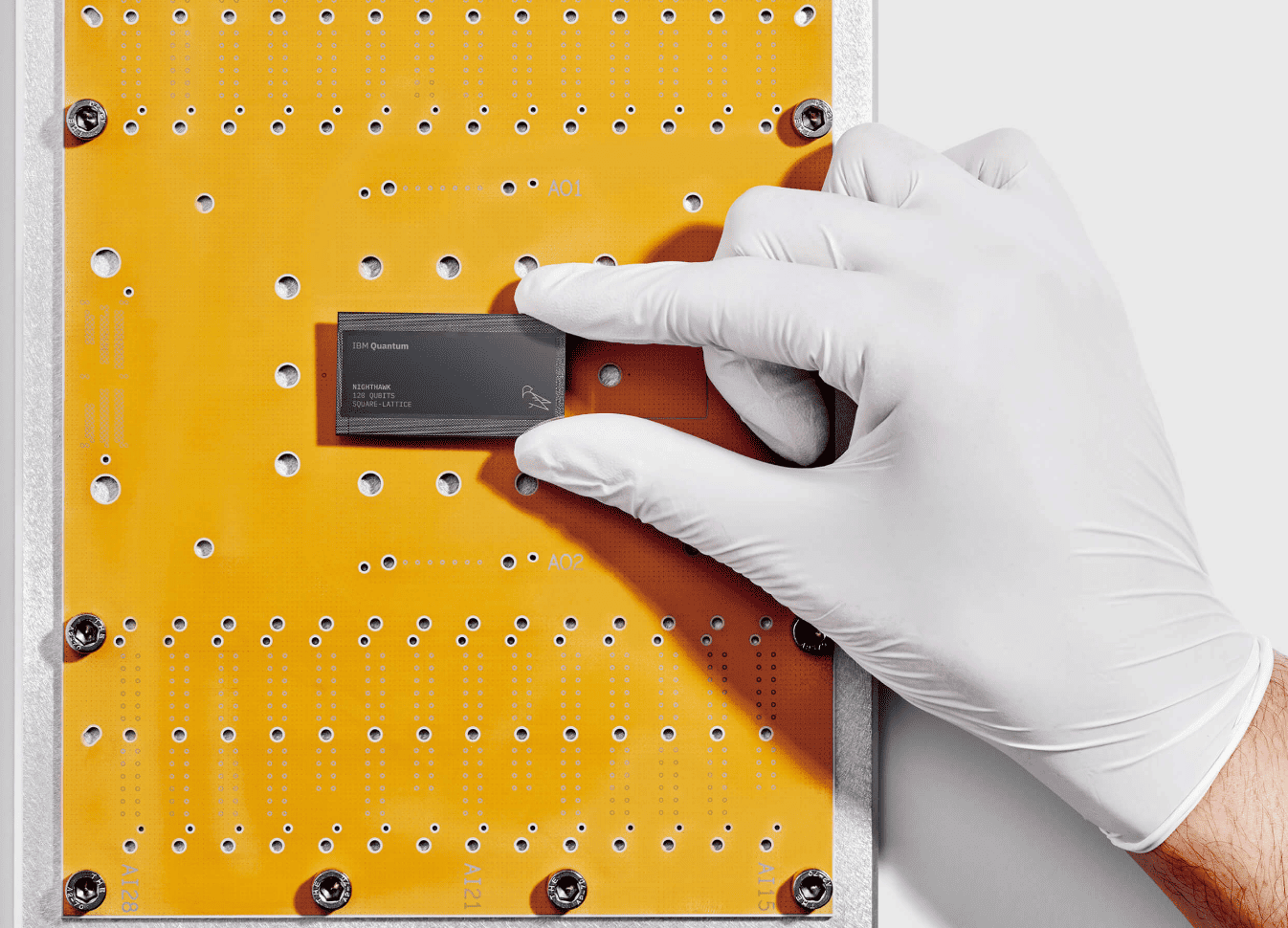
The foundry would be headquartered in Albany, New York, and operate as a 300-millimeter quantum wafer manufacturing facility. Quantum wafers are specialized semiconductor substrates used to build quantum processors, the core hardware behind quantum computers. Unlike traditional computer chips, quantum processors rely on quantum bits, or qubits, which can store and process information in ways that conventional binary systems cannot.
Manufacturing remains one of the biggest bottlenecks facing the quantum industry. Many current systems are still built in limited quantities using specialized fabrication processes that are difficult to scale. A dedicated foundry could help standardize production, reduce supply chain constraints and accelerate the transition from laboratory systems to industrial-scale manufacturing.
The U.S. government has increasingly framed quantum technology as both an economic and national security priority. Policymakers have warned that future quantum systems could eventually break some forms of modern encryption while also enabling advances in materials discovery, optimization and artificial intelligence.
IBM has positioned itself as one of the largest commercial players in the field through its combination of cloud-accessible quantum systems, enterprise partnerships and long-term hardware roadmap. The company has repeatedly stated that it expects large-scale fault-tolerant quantum systems to emerge near the end of the decade.
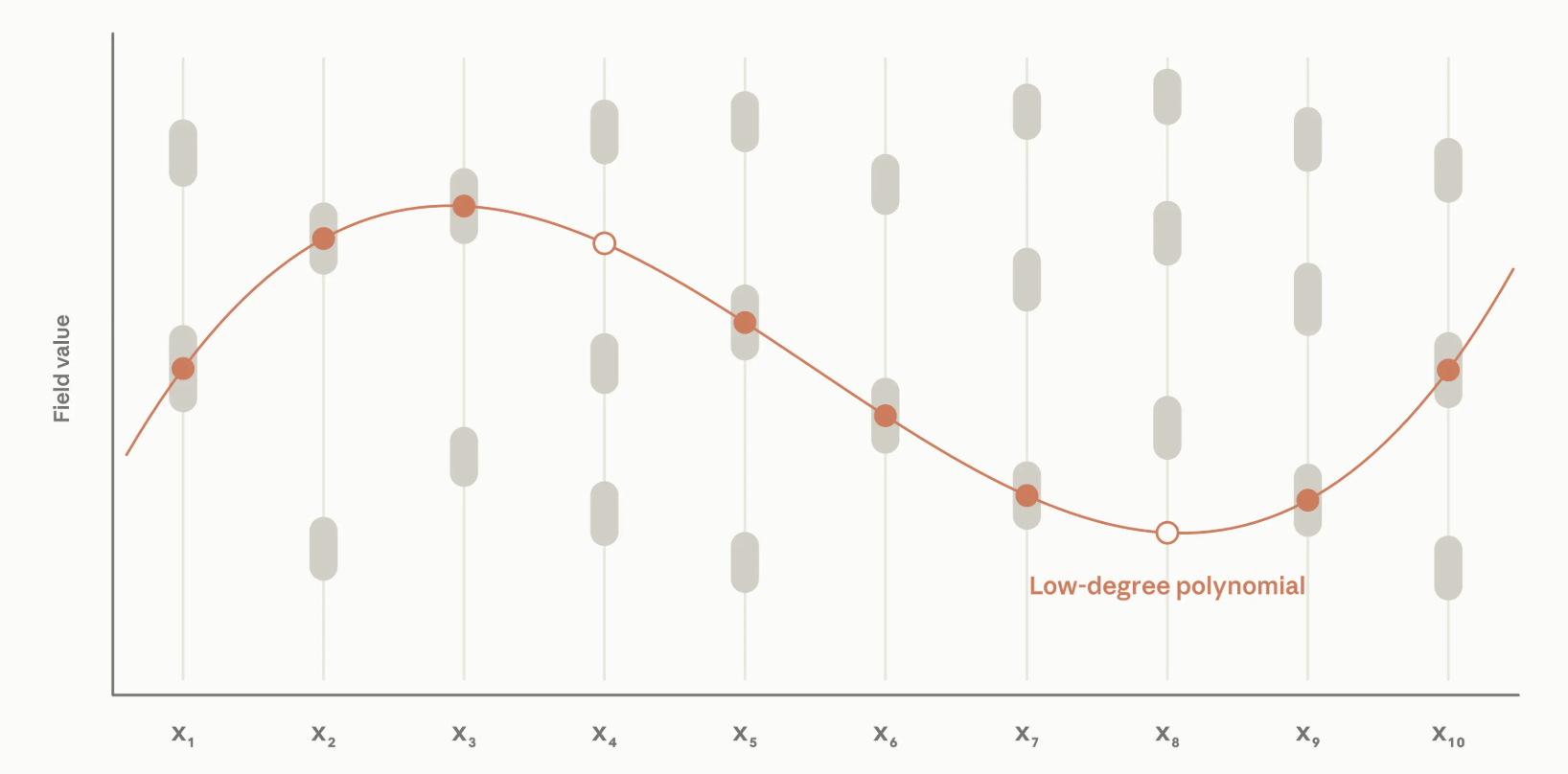
Fault tolerance refers to a quantum computer’s ability to detect and correct errors during calculations. Current quantum systems are highly sensitive to environmental noise, which can disrupt computations and limit reliability. Industry researchers broadly view fault tolerance as the key technical hurdle separating today’s experimental machines from future practical systems capable of sustained commercial use.
IBM’s announcement will likely add more fuel to the race to commercialize quantum.
According to figures cited by The Quantum Insider, the global quantum technology market to reach $106 billion by 2040, with $1 trillion in total economic value creation expected by 2035. These lofty numbers may be part of the motivation that is fueling competition among the United States, China and Europe to secure leadership in both hardware and manufacturing infrastructure.