



Insider Brief
- Beijing Zhongke Guoguang Quantum Technology Co., Ltd. raised tens of millions of yuan in a Series A+ round led by Jinguan Electric Co., Ltd. to expand quantum applications for China’s power and energy sectors.
- The companies plan to collaborate on quantum-enabled power grid technologies, including secure communications, intelligent grid operations and new energy dispatch systems.
- The investment reflects China’s broader push to commercialize quantum technologies through industrial infrastructure projects tied to energy security and smart grid modernization.
- Photo by Li Yang on Unsplash
China’s push to commercialize quantum technology is drawing deeper support from the country’s power industry.
Beijing-based Beijing Zhongke Guoguang Quantum Technology Co., Ltd., also known as Guoguang Quantum, has raised “tens of millions of yuan” — likely between $3 million to $10 million USD — in a Series A+ financing round led by Jinguan Electric Co., Ltd., according to reporting by European Central Station. The investment is another sign of the growing interest in not just quantum, but also in applying quantum technologies to China’s energy infrastructure as the country modernizes its power grid and expands renewable energy capacity.
European Central Station reported that the financing is intended to accelerate the integration of quantum technologies into power and energy systems, including applications tied to grid security, intelligent operations and renewable energy management.

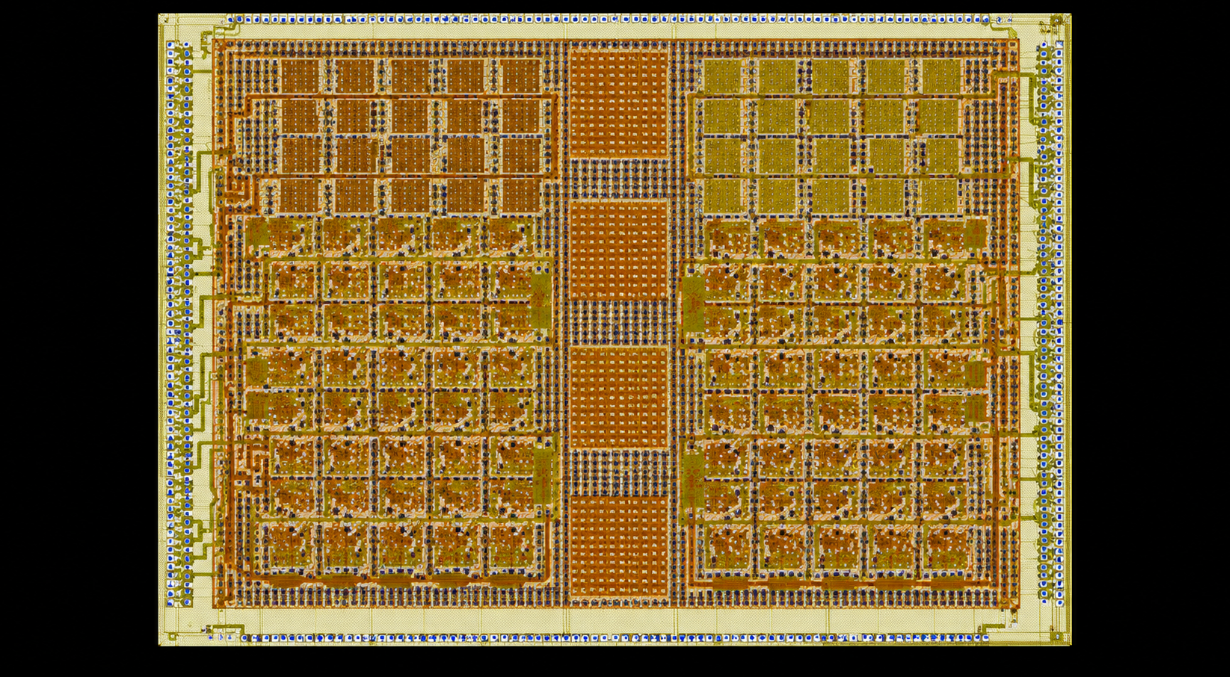
Guoguang Quantum has positioned itself as one of China’s industrial quantum technology companies focused on turning laboratory research into commercial systems. The company centers its business around quantum chips and technologies linked to quantum communication, precision sensing and quantum computing.
Quantum communication generally refers to methods of transmitting information using the principles of quantum mechanics, often with the goal of creating highly secure networks resistant to hacking. Quantum sensing uses quantum effects to improve the precision of measurements, potentially enabling more accurate monitoring of electrical systems, navigation or industrial processes.
According to European Central Station, Guoguang Quantum has already participated in national and provincial demonstration projects across sectors including power, government, finance and defense. The outlet reported that the company has built an early lead in what Chinese industry participants describe as the “quantum plus power grid” and “quantum plus new energy” sectors.
The investment also reflects a broader trend in China’s technology strategy, where quantum technologies are increasingly being tied to industrial and infrastructure priorities rather than remaining confined to academic research.
Jinguan Electric is a publicly listed Chinese company focused on power transmission, smart grid equipment and energy infrastructure. The company has historically operated in areas such as ultra-high-voltage transmission systems, power distribution networks, energy storage and renewable energy grid integration.
European Central Station reported that Jinguan Electric provides equipment and services to major Chinese energy operators, including State Grid and China Southern Power Grid. The company is also repositioning itself from a traditional equipment supplier toward a broader energy services and technology provider.
The partnership between the two firms appears designed to combine Guoguang Quantum’s emerging technologies with Jinguan Electric’s industrial relationships and deployment experience across China’s energy sector.
That strategy aligns with China’s broader effort to develop what policymakers refer to as a “new power system” — a modernized grid architecture intended to support large-scale renewable energy deployment, higher electrification and improved grid resilience.
Quantum technologies could play several roles in that transition. Quantum-secure communications may help protect critical grid infrastructure from cyber threats. Quantum sensing systems could improve fault detection and monitoring in complex transmission networks. Over the longer term, quantum computing could potentially assist with grid optimization problems, including balancing fluctuating renewable energy supplies and improving dispatch systems.
Many of those applications remain early-stage and largely experimental worldwide. However, Chinese companies and state-backed initiatives have increasingly emphasized industrial pilot projects and infrastructure integration as a pathway toward commercialization.
European Central Station reported that the two companies plan to deepen collaboration around power safety, intelligent operation and maintenance systems, and energy dispatching technologies. The report also said the firms intend to jointly build a broader “quantum plus power” industrial ecosystem.
The financing arrives as governments and corporations globally increase spending on quantum technologies amid rising geopolitical competition in advanced computing, communications and cybersecurity.
China has invested heavily in quantum research over the past decade, including quantum communication satellites, national laboratory infrastructure and domestic quantum computing programs. Chinese firms are now under increasing pressure to demonstrate commercial returns and deployable industrial products.
For Guoguang Quantum, the latest financing may provide both capital and a direct channel into one of China’s largest industrial sectors. For Jinguan Electric, the investment offers exposure to technologies that could eventually become part of future grid infrastructure and energy management systems.
European Central Station characterized the deal as a sign of deeper integration between frontier quantum technologies and traditional industrial sectors, particularly energy systems that are becoming increasingly digital, interconnected and data-intensive.