


Insider Brief
- Open Quantum Design has launched a GitHub repository containing hardware designs for its trapped-ion quantum computer, including blade trap assembly and optical circuit boards that manage laser delivery and signal control in photonic systems.
- The open-source hardware designs provide a tested starting point for building quantum processors, with the optical circuit boards developed using LightFlow technology from OQD’s first spinout company to enable modular connections between lasers and ion traps.
- The hardware repository complements OQD’s previously announced open-source software code for its full-stack trapped-ion quantum computer, with technical documentation for all repositories hosted on OQD’s documentation site.
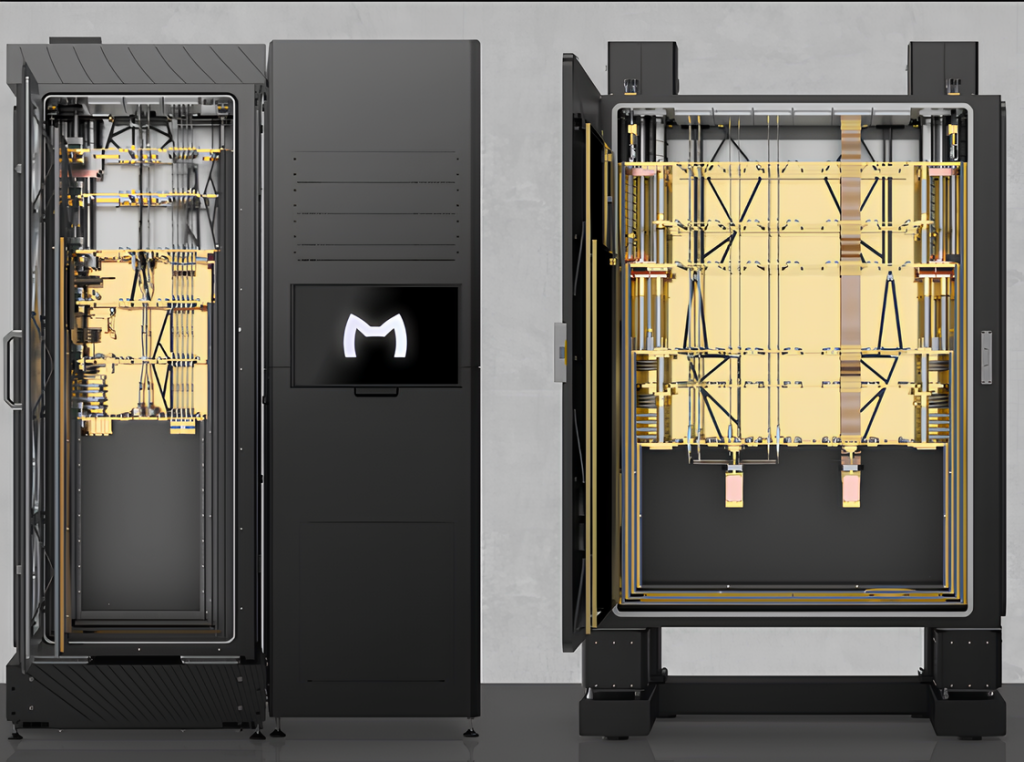
PRESS RELEASE — Open Quantum Design (OQD), a not-for-profit developing the world’s first open-source quantum computer, has launched a repository of hardware designs for its trapped ion quantum computer.
By offering the first open-source resource of its kind for quantum hardware, OQD is delivering on its commitment to foster a collaborative approach to advancing quantum technologies. The global community can access the detailed designs of OQD’s blade trap assembly and optical circuit boards, two of the foundational components of its full-stack, trapped ion quantum computer.
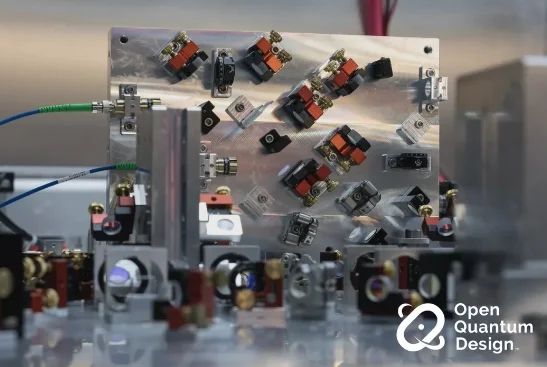
The OQD Hardware repositories, housed on GitHub, contains the hardware design files for Blade Trap Assembly and Optical Circuit Boards (OCBs). The blade trap assembly is a unique design and the boards manage optical routing, laser delivery, and signal control in precision photonic systems. Each OCB, developed using LightFlow technology, represents a module of the quantum computing hardware system and together they connect the light source, or laser, to the ion trap.

“Opening the Blade Trap Assembly and OCB designs are pivotal for the open-source community,” explained Mahmood Sabooni, Lead Quantum Processor Engineer. “They are important pieces of the puzzle required to build a quantum processor. Instead of building from scratch through trial and error, both the Blade Trap Assembly and OCB designs are ready for use and have already been tested for structure, materials, and temperature stability.”
“Our goal is to accelerate the development of quantum technologies,” said Greg Dick, co-founder and CEO, OQD. “The hardware designs provide an advanced starting point for building a quantum processor, enabling development to progress rapidly. Further, the OCB boards were created using the scaling technology of OQD’s first spinout company, LightFlow.”
Earlier this year, OQD announced open repositories for the open-source software code for their full-stack, trapped ion quantum computer. The technical documentation for all open repositories, including the quantum processor hardware, are hosted at OQD’s Documentation.
Learn more about the work in progress at Open Quantum Design and join the OQD community.