

Insider Brief
- Quobly and TNO have signed an MoU to strengthen technical cooperation on the development and industrialization of silicon spin qubit technology.
- The partnership combines Quobly’s 300 mm FD-SOI platform with TNO’s expertise in device characterization, materials analysis and systems engineering.
- The two organizations will work on measurement, simulation and high-throughput characterization capabilities needed to support larger-scale integration and manufacturing of silicon spin qubits.
PRESS RELEASE – Quobly, a French quantum computing company developing industrially scalable quantum computers based on silicon spin qubits, and TNO, the Netherlands Organisation for Applied Scientific Research, have signed a Memorandum of Understanding (MoU) to strengthen their technical cooperation on the development and industrialization of silicon spin qubit technology.
The agreement builds on the collaboration initiated between the two organizations in 2025, focused on materials research and device characterization for silicon spin qubits. This work has laid the foundations for further cooperation, bringing together complementary expertise and infrastructure to address the engineering challenges involved in scaling silicon spin qubits toward industrial manufacturing.
The new MoU establishes a framework to further develop this cooperation, combining Quobly’s manufacturable 300 mm FD-SOI platform with TNO’s expertise and infrastructure in device characterization, materials analysis and systems engineering and supporting the development of the measurement and integration capabilities required for industrial-scale quantum hardware.

Combining European Semiconductor and Quantum Capabilities
Silicon spin qubits offer a distinctive route to scalable quantum computing because they can leverage the tools, substrates and process-control capabilities of advanced semiconductor manufacturing. Europe already has world-class capabilities across this value chain, from engineered substrates and advanced foundries to metrology. Quobly is building on this industrial base through its 300 mm FD-SOI platform and its collaborations with CEA-Leti, STMicroelectronics and Soitec.
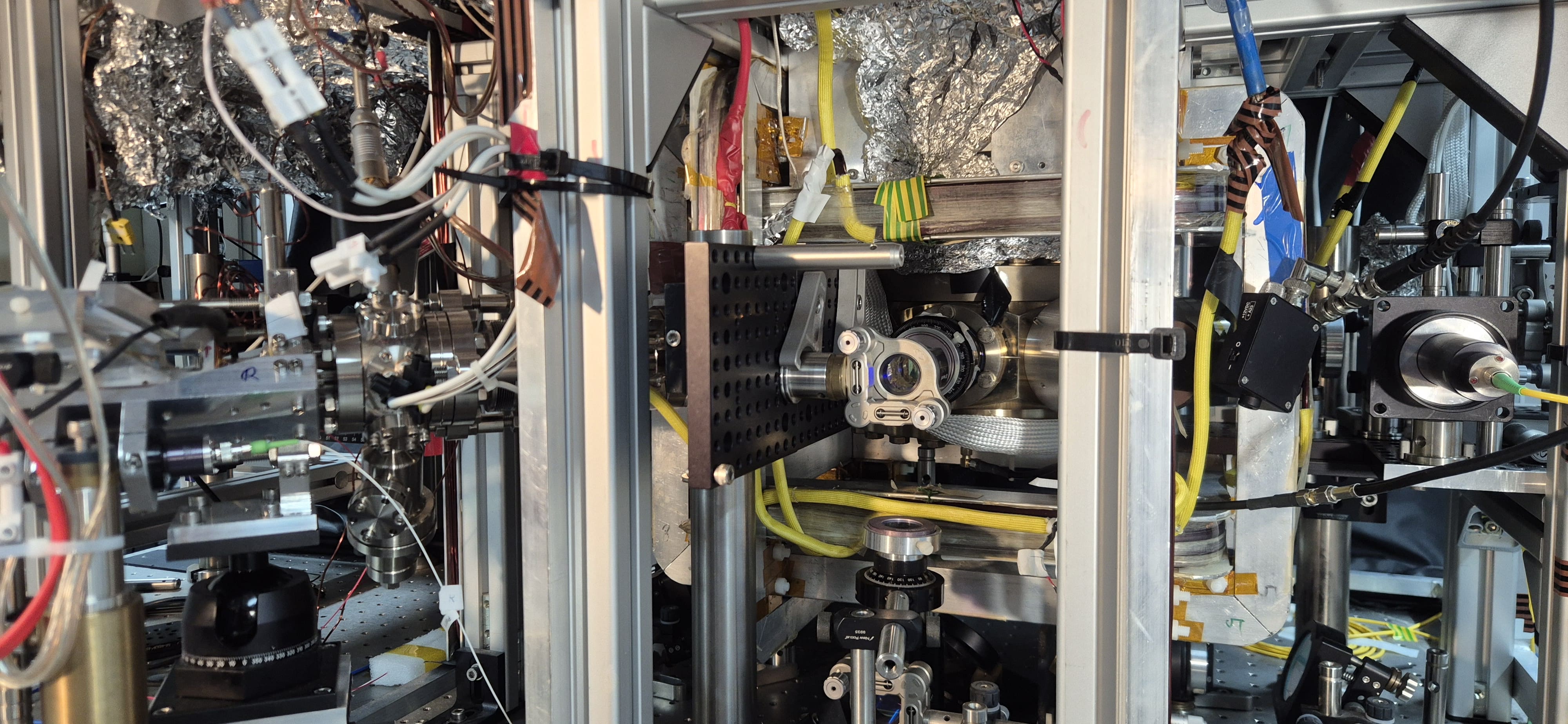
TNO contributes complementary expertise in quantum device characterization and materials-driven phenomena, supported by dedicated research and test infrastructure in the Netherlands. The cooperation will enable the partners to investigate how material properties and device characteristics influence qubit performance, process variability and manufacturability. As quantum hardware scales, high-throughput characterization will be increasingly important for reproducible manufacturing and faster development cycles.
From Technical Cooperation to Industrial-Scale Quantum Computing
For Quobly, the objective is to scale faster by combining its own device and architecture expertise with capabilities already established across Europe. Working with specialized partners allows the company to address specific engineering challenges while focusing its resources on its quantum computing platform.
The work with TNO will help address the technical challenges that emerge as silicon spin qubits move from device development toward larger-scale integration.
The cooperation will include access to measurement data and device simulation data, as well as stack integration expertise. The partners will work toward the high-throughput characterization and metrology capabilities needed to evaluate device performance, identify sources of variability and support the transition toward industrial-scale manufacturing.
The partnership shows how existing European semiconductor capabilities can be brought together to support the industrialization of quantum computing.
Maud Vinet, CEO and co-founder of Quobly, said: “We are building quantum computers for industrial scale. That means solving the engineering challenges behind the qubit as seriously as we solve the qubit itself. Our cooperation with TNO strengthens this approach by bringing together complementary European expertise in materials, devices and industrialization.”
Tjark Tjin-A-Tsoi, CEO of TNO, said: “Europe has the semiconductor capabilities and scientific expertise needed to build a strong position in quantum computing. By combining TNO’s testing and characterization capabilities with Quobly’s industrial quantum platform, we can help accelerate the development of silicon spin qubits toward commercial applications.”
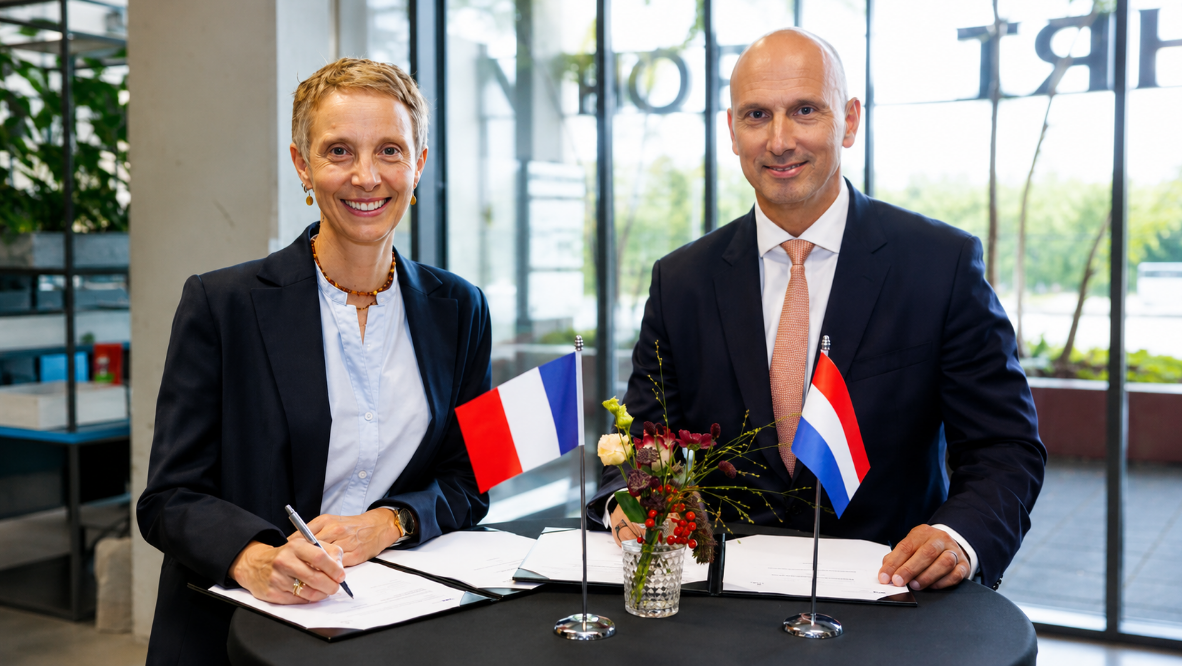
The MoU was signed in Eindhoven on September 2, 2026, during the visit of French President Emmanuel Macron to the Netherlands as part of a French-Dutch program focused on strengthening European technological and digital sovereignty.