

Insider Brief
- IQM Quantum Computers began trading on Nasdaq under the ticker IQMX after completing its SPAC merger with Real Asset Acquisition Corp.
- IQM’s shares were up about 25 cents, or about 2% in early trading.
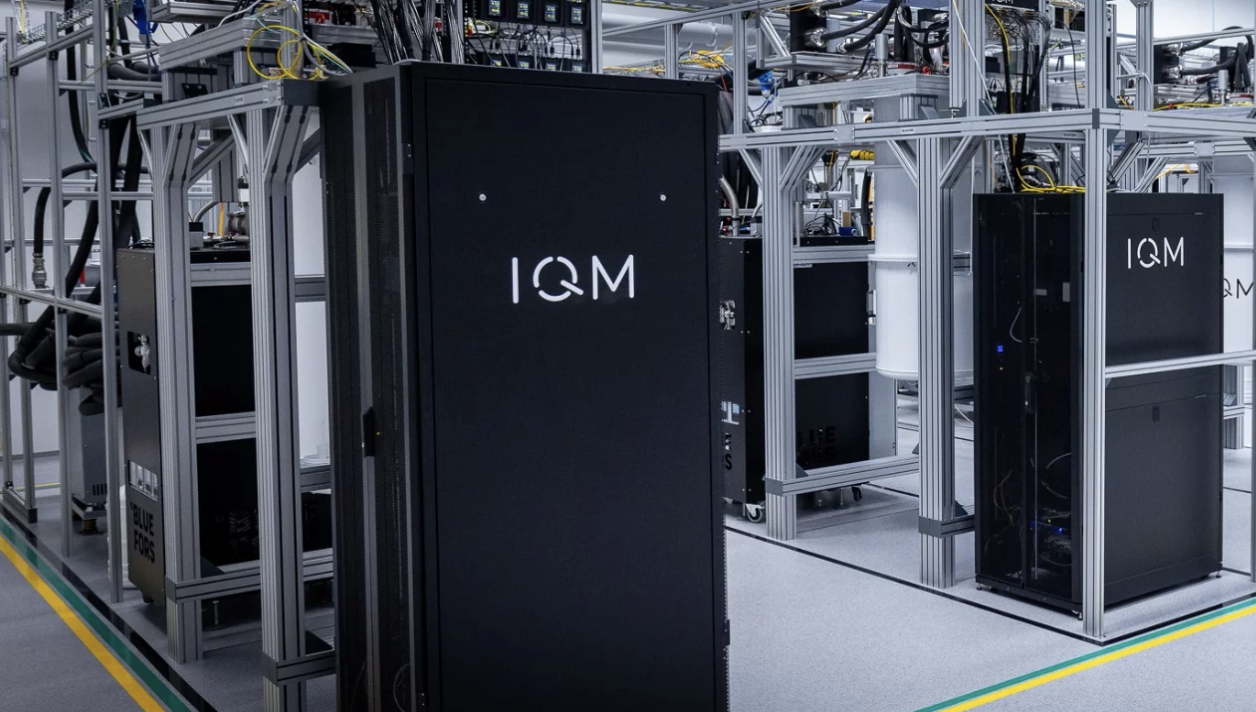
- The company develops superconducting quantum computers and sells full-stack systems for research institutions, national computing centers and other customers.
IQM Quantum Computers’ American depositary shares began trading on the Nasdaq Global Select Market today (July 2, 2026), falling 95 cents, or about 7.5%, in early trading after the quantum computing company completed its merger with special purpose acquisition company Real Asset Acquisition Corp.
The company’s American depositary shares fell sharply — bout 95 cents, or about 7.5% — at the start of the market day before rebounding as investors engaged in early trading.
The listing gives IQM access to public capital as it continues to develop and sell superconducting quantum computers. The company also said warrants tied to its American depositary shares will trade separately under the ticker IQMX WS.
IQM was founded in 2018 and is based in Finland. The company grew out of research at Aalto University and VTT Technical Research Centre of Finland. It develops full-stack quantum systems, including processors, control hardware, software and system integration.
The company’s technology is based on superconducting qubits, one of several approaches being pursued in quantum computing. Other companies using superconducting systems include IBM, Google, Rigetti Computing and others.
IQM has focused in part on on-premises quantum computers, rather than only cloud-based access. Its customers and partners include research institutions, national laboratories and high-performance computing centers that are integrating quantum systems into broader computing infrastructure.
The company has expanded beyond Finland, including operations in Munich, the United States and Asia. IQM says it has more than 400 employees from more than 40 nationalities.
IQM said its systems have been installed at research facilities and national computing centers.
The company’s public-market debut comes as quantum computing firms seek funding to support hardware development, manufacturing and commercialization. The sector remains in an early stage, with most systems still used for research, testing and specialized development rather than broad commercial workloads.
Governments and large research institutions have increased support for quantum computing as part of national technology strategies. That demand has helped create a market for installed quantum systems, especially in countries and regions seeking domestic access to the technology.
The company received proceeds from the SPAC combination, remaining trust funds and a private investment in public equity priced at $10 per share.