
Insider Brief
- President Donald J. Trump appointed Nobel laureate John Martinis and a group of technology leaders to the President’s Council of Advisors on Science and Technology to guide U.S. science and innovation policy.
- Martinis, known for his work in superconducting quantum computing and prior leadership at Google Quantum AI, brings quantum expertise to a council largely composed of industry executives.
- The council will advise on emerging technology challenges and workforce impacts as part of broader efforts to maintain U.S. leadership in advanced technologies.
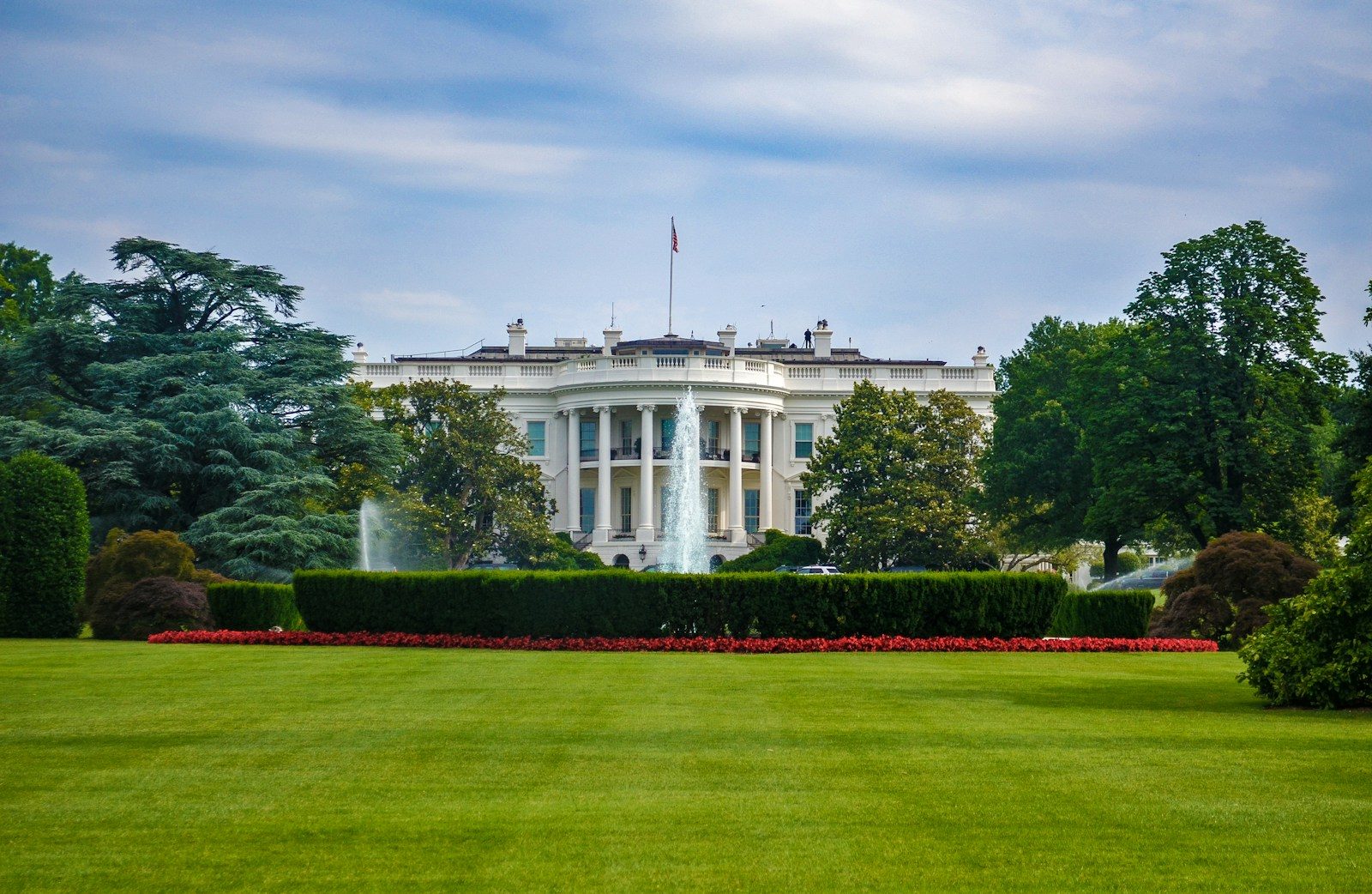
- Photo by David Everett Strickler on Unsplash
President Donald J. Trump appointed Nobel laureate John Martinis and a group of technology leaders to the President’s Council of Advisors on Science and Technology to guide U.S. science and innovation policy. Martinis, known for his work in superconducting quantum computing and prior leadership at Google Quantum AI, brings quantum expertise to a council largely composed of industry executives. The council will advise on emerging technology challenges and workforce impacts as part of broader efforts to maintain U.S. leadership in advanced technologies.
President Donald J. Trump on Thursday named a slate of technology executives and scientists, including quantum computing researcher John Martinis, to the President’s Council of Advisors on Science and Technology, signaling a renewed emphasis on emerging technologies as part of federal policy.
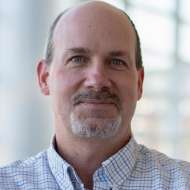
Martinis, a physicist known for his work in superconducting quantum systems, joins a group dominated by leaders from Silicon Valley and major technology firms. His appointment places a prominent figure from the quantum computing field inside a body that advises the White House on national science and technology priorities.

The council, known as PCAST, was established by executive order and will be co-chaired by investor David Sacks and former U.S. Chief Technology Officer Michael Kratsios. Other appointees include executives such as:
- Marc Andreessen
- Sergey Brin
- Safra Catz
- Michael Dell
- Jacob DeWitte
- Fred Ehrsam
- Larry Ellison
- David Friedberg
- Jensen Huang
- Bob Mumgaard
- Lisa Su
- Mark Zuckerberg
The list reflects a concentration of influence from large-scale computing, artificial intelligence and platform companies.
Martinis, who shared the 2025 Nobel Prize in Physics for work demonstrating quantum effects in superconducting circuits, is widely associated with early advances in quantum processors, particularly during his tenure leading quantum hardware efforts at Google Quantum AI, where his team demonstrated one of the first widely cited claims of “quantum supremacy” — an experiment showing a quantum device could perform a specific task beyond the reach of classical computers. His work has focused on superconducting qubits, a leading approach to building scalable quantum machines.
He is also a cofounder of Qolab, a quantum computing private company based on semiconductor chip manufacturing.
His inclusion in PCAST suggests quantum computing will remain a policy priority as governments assess its implications for cybersecurity, materials science and economic competitiveness. The technology is still in development, but policymakers have increasingly framed it as a strategic capability alongside artificial intelligence and advanced semiconductors.
According to the White House, the council will advise on how emerging technologies affect the U.S. workforce and how to maintain leadership in what officials described as a “Golden Age of Innovation.” The body can include up to 24 members, with additional appointments expected.
Presidential science advisory boards date back to 1933, when President Franklin D. Roosevelt established an early version to guide federal research priorities. Modern iterations of PCAST have typically blended academic scientists with industry leaders, though the current roster leans heavily toward private-sector executives.
The first meeting date has not yet been announced.