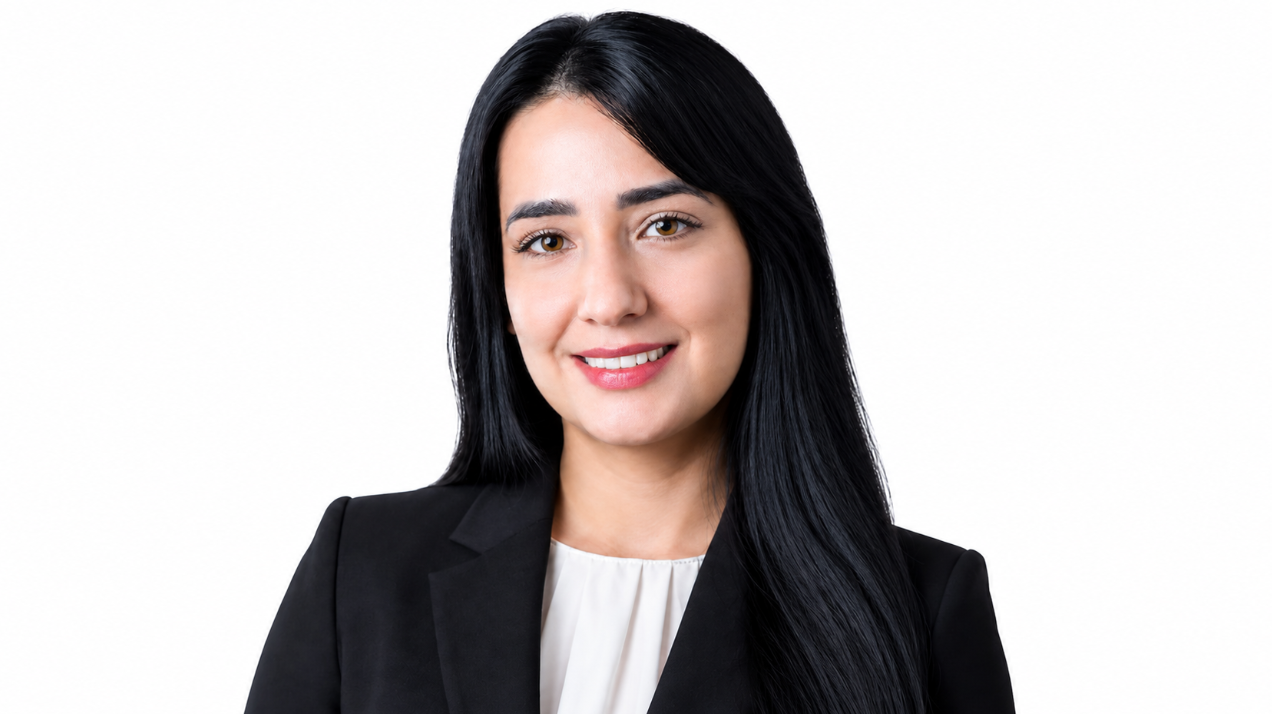


Laurence Coldicott, curator of global quantum technology conferences, is interviewed Yuval Boger. They discuss how enterprise engagement has expanded beyond early adopters in finance to logistics, pharma, and defense—and how agendas now balance computing with “quantum defense” topics like PQC and QKD. Laurence contrasts U.S. scale and federal momentum with Europe’s fragmented landscape, notes attendance growth from hundreds to over a thousand, and describes a successful new event in Doha. He emphasizes keeping conferences pragmatic and hype-free, prioritizing practitioner talks and real case studies, and offers advice to speakers: be candid about maturity, challenges, and near-term value. They touch on rising government participation, the growing intersection with AI and cyber, and much more.
Transcript
Yuval: Hello, Laurence, and thank you so much for joining me today.
Laurence: Hi, Yuval. Lovely to be involved. Thank you for the invitation. So who are you and what do you do? My name is Laurence Coldicott. I curate quantum conferences. So I’ve been curating quantum tech for the past, since 2020. We run a few events here around the business applications and commercialization of quantum technologies. We just ran an event in Rotterdam a couple of weeks ago, and we’ve got an event next year in Boston. And you’ll know who it is. It’s a thousand-person event looking at how enterprise and government are utilizing quantum and what this means for them.
Yuval: – And you’ve been doing this for a number of years, right?

Laurence: – Yeah, yeah, I started working on it back end of 2020. So our first few events were, first few events I was involved in were virtual. And then we’ve been running conferences in person, again, since 2022, since the end of COVID.
Yuval: – Other than the transition from virtual to physical, How have events changed in terms of focus or attendance or programming since 2022?
Laurence: I think a key thing we’ve noticed is the shift towards more enterprises being happy to talk about their proof of concept, being happy to say how they’re working with the key quantum community. When I started, it was probably two or three of the key players, the likes of Wells Fargo, Boeing, HSBC, and those guys are still involved. But I say in the past couple years we’ve seen a lot more of suddenly the FMCG space, you get Nestle and Kraft Heinz talking, but also much more on the defense side as well and the pharma side. So more industry verticals are very happy to talk about how they’re engaging in quantum technologies. I’d also say there’s been a real shift in focus where when I started working these events, quantum computing obviously there’s a huge hype bubble around that, and this still is, and still excitement around quantum advantage. I think there’s been a big shift towards quantum defense as well, and the look at the challenges around post-quantum cryptography and QKD.
Yuval: So in that sense there’s a greater focus on sensing and communications than there was…
Laurence: Yeah, yeah, and sensing communications being in the here and now, whereas quantum advantage still may be being a few years away.
Yuval: Let me ask you a question from a vendor perspective. Do you think there are too many quantum shows?
Laurence: I think there’s a plethora of events now. I think there are challenges around that in terms of working out what the right events to attend are, what the right events to give your Fort Lucia power. I think when I started there was probably us and Q2B and now there seems to be a number of events. Each week right at the moment seems there’s another quantum event. So yes, it’s a challenge, and the challenge for us is, as a business, keeping ahead of the game and keeping relevant. We do that by having conversations in the industry, understanding what the key trends are, and also trying to get these new names in the industry who aren’t speaking at other quantum conferences.
Yuval: So help me decide. I mean, let’s ignore my current employer, but if I were a generic quantum employer, at quantum company, I wanted to decide. So obviously geography is one point, if I am particularly interested or particularly strong in one geography, then maybe I’m more inclined to do events in that geography. But why should I choose your events over someone else’s?
Laurence: – I think because we look at the, One, we try and mitigate the hype. That’s, that’s part of our key, key focus that we, we don’t, we don’t want to be the part of the snake all salesman. We want realistic and pragmatic approaches to quantum. And we’re very much prescriptive when we recruit speakers and recruit the recruit people to sponsor the event. We’re very specific on that, that we don’t want to be part of that hype cycle. Um, secondly, we, I think we get more practitioners speaking and attending our events and our competitors, um, particularly from, from the enterprise and user side, that’s our big focus. And that’s our big USP.
Yuval: Attendance wise, how has the number, how have the numbers changed?
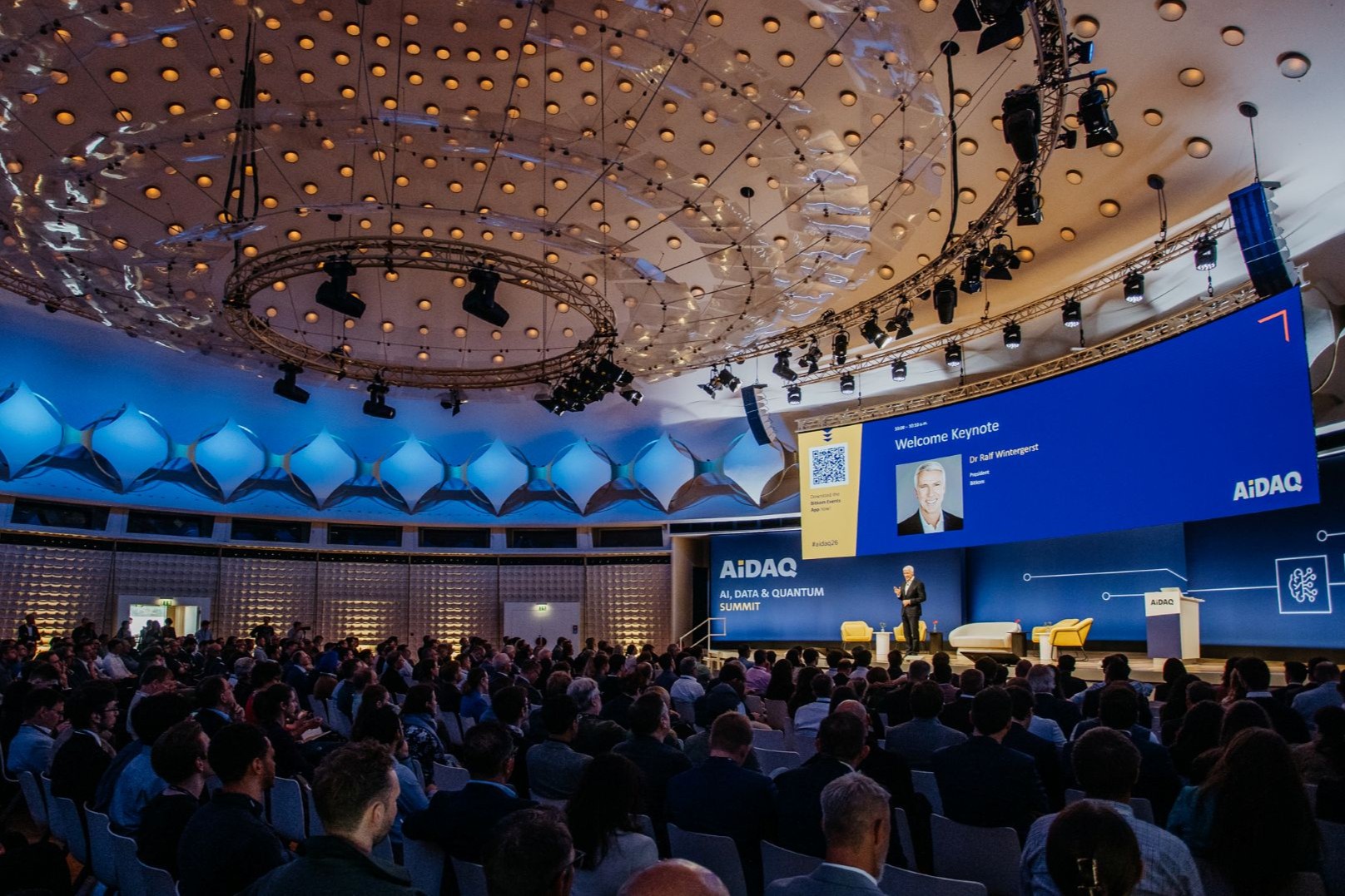
Laurence: Um, they, uh, I’ve, so we, we started around three to 400 people. Now we’re looking at more towards the thousands of attendees. Um, and that is, is, it shows that the interest from the industry. Around quantum is going, and I’m sure you’ve seen that in your role and through running, running these podcasts, that there is a lot more people from, from, from fortune 500 FTC 100 businesses who are now quantum curious, who are looking at how this is going to impact their business, how they need to be prepared for the impact of Q Day, but also how it can potentially improve their productivity.
Yuval: Do you see a difference between EU events and US events in terms of attendance or interest or any other aspect?
Laurence: Yeah, I think the US, because it’s such a big marketplace and there’s such a big federal port has, we’ve seen it as an event growing more quickly. I think there seems to be more sustained investment for the US, and EU is naturally slightly more fragmented. And again, there was a lot of country-specific quantum events in the EU as well. You get the likes of the Bitkom event, the French national quantum event, UK national quantum showcase. Whereas the US, I think there’s less of that.
Yuval: Do you guys also do events in Asia?
Laurence: We launched an event this year in Qatar and Doha. We ran it in January in partnership with Professor Saif Al-Khawari from the Qatari Quantum Development Organization, representing the Qatari government. And that was a great success. First year we’ve run it, and really interesting to see what’s happening with that ecosystem, how Qatar is heavily investing in quantum, and how it’s starting to build out that ecosystem, partnerships would like to continue. Um, So that was, that was, that was the first year we’ve run it. Uh, we’re looking at looking at, uh, looking at how we run that again. And I don’t know what scale. Um, but that was, that was a great success when we, when we ran it back in January, had had about 250 attendees, which for, for a launch event in a nascent market, uh, we, we were very, very pleased with. We also very pleased to bring some of our key, uh, European and us leaders and who we have a soliciting relationship with over to Qatar.
Yuval: And how about Japan, Australia, Singapore, Korea, you know, South, Far East?
Laurence: We’re not looking at it at the moment, maybe in the future. Something that we could, potential in the future. I know there’s a huge market there, so there’s certainly an opportunity.
Yuval: You mentioned companies that have been presenting for a while. I think you mentioned Boeing or HSBC or some of the others. Do they have something new to tell at every show or do they limit their participation to once or twice a year?
Laurence: Well it’s case by case basis there but in terms of their involvement, each of those have, as the company you mentioned, are investing heavily in quantum. So they normally have a certain development every six months or a year, so there is normally a new story to tell. There is a focus from their side of keeping it fresh, so they’re very honest with me. If there isn’t a story to tell, they probably back out from speaking.
Yuval: I sometimes help organize programs for conferences and speakers or potential speakers ask me for advice. What should they be speaking about? What should they not say? How would you answer that question?
Laurence: That’s a question I get asked a lot as well. I say that, as I mentioned, we are in a hype cycle, but we want to be realistic in feeding that back to the audience. If somebody’s giving a presentation, I want to give them the advice for being pragmatic, giving real-world case studies, being honest about where the technology currently stands, what are the drawbacks of that, what are the challenges you’re facing, but also what are the opportunities here and now and in the future. The advice I’d give is, is, is just, um, be honest with your audience, be exciting, um, but also be pragmatic.
Yuval: The shows are not super big. I mean, they’re not consumer electronic show. It’s not a quarter, a quarter million people, but, um, the booths are more or less the same size, some are a little bit larger than others. And so vendors try to stand out in some way other than booth size. Um, as you think about shows past, could you give examples of, you know, two or three exhibits or things that vendors did that stood out and you said, wow, this, this is really cool. This is really original.
Laurence: Um, I think examples of the event that we, uh, we, we, we ran, um, a couple of weeks ago in Rotterdam, the Port of Rotterdam were one of our lead sponsors and they organized a boat trip on the evening of day one for some of the key leaders in attendance, some of the VIPs. That’s worked very well. In past years we’ve had a close partnership with QEDC and the UK Foreign office and we’ve run drinks receptions at the British Consulate as well as part of that. In terms of exhibits, it’s always fantastic if an exhibitor brings a quantum computer on site. That obviously gets a lot of eyeballs. It doesn’t happen all the time, but if they do. That beautiful chandelier gets in a lot of photos and gets a lot of social media presence.
Yuval: As EU and other regions develop their national quantum strategy, do you see governments participating more at the show? Do you see government exhibitors or do they prefer to somehow in a different way promote the national program?
Laurence: I think that’s a really good question. I think that from a curation perspective at the moment, something I’m looking at a lot is quantum nationalism and how these national quantum strategies are impacting the investment in quantum and quantum’s development. I certainly see in the US we’re getting a lot more unofficial federal support in having them speak at the event, but also non-commercial endorsement from government organizations. We’re also seeing much more, both national development agencies and regional development agencies sponsor the event because they want to promote their region or country as a quantum hub. So I think that, and in short answer to your question, yes, I think there’s going to be a lot more engagement and support both from a federal and international government level as events grow.
Yuval: As a neutral observer of the industry, I don’t think you’re affiliated with any particular quantum vendor, what do you think of the industry? How fast is it moving and to what extent does it live in a bubble? I mean, does the industry think it’s moving faster than in what the outside world is thinking, or is it the other way around? How would you compare those?
Laurence: I think that the industry is a bubble, I think that we’re on the cusp of something. I think that there is a lot of developments happening at the moment, and there’s a lot of M&A activity going on, and also some people are much, much smarter than me in some of hardware providers are saying that quantum advantage is going to be here in the next three to four years. I think the challenge for that from outside the industry is saying to those who are quantum curious is that we might not be there yet, but you need to be prepared for this in the next two to three years. It needs to be part of your emerging tech strategy. that engagement starts outside those key players that I’ve already mentioned who have been investing in it for years. Do I think the perception is it’s moving more quickly than it actually is? I don’t think so. I think that maybe that was the challenge three or four years ago and I think we were both aware of that because we were both involved in it. I think right now there is more realism and pragmatism about what can be achieved.
Yuval: If you think about various segments that could come to such a show, whether it’s governments or vendors or, uh, practitioners, uh, academia, people who are looking to get into the industry and so on, what segment is. Underserved or underrepresented you think at the moment?
Laurence: That’s a good question. I think certainly the FMCG side, I think the FMCG and logistics side, it has huge transformative potential there. I think that we’re beginning to see more of that for involvement, but as I said, a lot of companies like Nestlé and Kraft Heinz. But in terms of what I see as the real early adopters and the companies that are most advanced is farmer and finance, and then aerospace and defense. But I think the logistics and operations side is really interesting.
Yuval: – As we get closer to the end of our conversation today, I’m wondering if you had a friend or a colleague that was starting to organize quantum events, and let’s assume you were okay with that, what advice would you give them?
Laurence: Talk to the market, I’d say research heavily with market from different parts of the ecosystem. Reach out with the early adopters from industry, but also speak to people like yourself from the technology community who are championing the industry. Understand where the industry currently stands and also understand what potential USP you can bring. whether there is a particular geo-region you should be focusing which isn’t covered yet or a particular topic which isn’t looked at as much detail at quantum conferences currently.
Yuval: You mentioned a couple of dos, but what about the don’ts? What would you advise them not to do?
Laurence: I’d advise them not to launch a quantum conference because it would be a direct competitor to myself. I think the don’ts are, don’t get trapped in the hype cycle, and don’t focus too much on quantum computing. Focus on quantum technology in general, because there are huge advancements, as you alluded to, being made in quantum sensing communications. Which if you just focus on quantum computing, which might be the bright and shiny element, You’re still talking, as you know more than anyone, you’re still talking at a theoretical level.
Yuval: – Quantum is adjacent to other industries or other technology markets. So for instance, quantum in AI or quantum in cyber, do you see a growth or an opportunity for these crossover conferences?,
Laurence: – 100%, 100%. As Quantum becomes more of part of the emerging tech stack for the C-suite at Fortune 500 businesses, the CIOs, chief digital officers, it makes sense for conferences to focus on the convergence between AI and cyber, as you said. I think that’s going to be a big topic moving forward. I think part of the challenge is Quantum is still standing out in an event like that because I had a conversation last year, probably about 18 months ago, with someone very senior within the Quantum ecosystem. And he said to me, “All my focus from my C-suite is telling me to shift my focus to AI.” So I think that is the challenge, that AI is more in the here and now. quantum convergence with AI, while sometimes can be overhyped, is something that certainly should be a focus.
Yuval: You’ve heard a lot of speakers and met a lot of people in the conferences, so I wanted to ask you in parting, if you could have dinner with one of the quantum greats, dead or alive, who would that be?
Laurence: That’s a really good question. I think I’d be fascinated to meet Peter Shaw. I think Peter Shaw and the impact Shaw’s algorithm has had. I’ve never had the opportunity to meet him and I’d love to.
Yuval: Laurence: thank you so much for joining me today.
Laurence: Thank you, Yuval. It’s been a pleasure.
Copyright (c) 2022-2025, Yuval Boger