

Insider Brief
- U.S. federal agencies signaled a shift from long-term awareness to active preparation for quantum-era security, emphasizing that migration to quantum-resilient cryptography must begin well before quantum computers can break today’s encryption.
- At the January 12 YQS2026 convening in Washington, officials from the Federal Bureau of Investigation, the National Institute of Standards and Technology, and the Cybersecurity and Infrastructure Security Agency outlined phased, mandatory approaches to cryptographic migration, citing long transition timelines and “harvest now, decrypt later” risks.
- Federal officials framed quantum security as a dual challenge—protecting current digital infrastructure from future quantum attacks while safeguarding quantum research, supply chains, and talent today—requiring coordinated domestic and international action through initiatives such as Year of Quantum Security 2026.
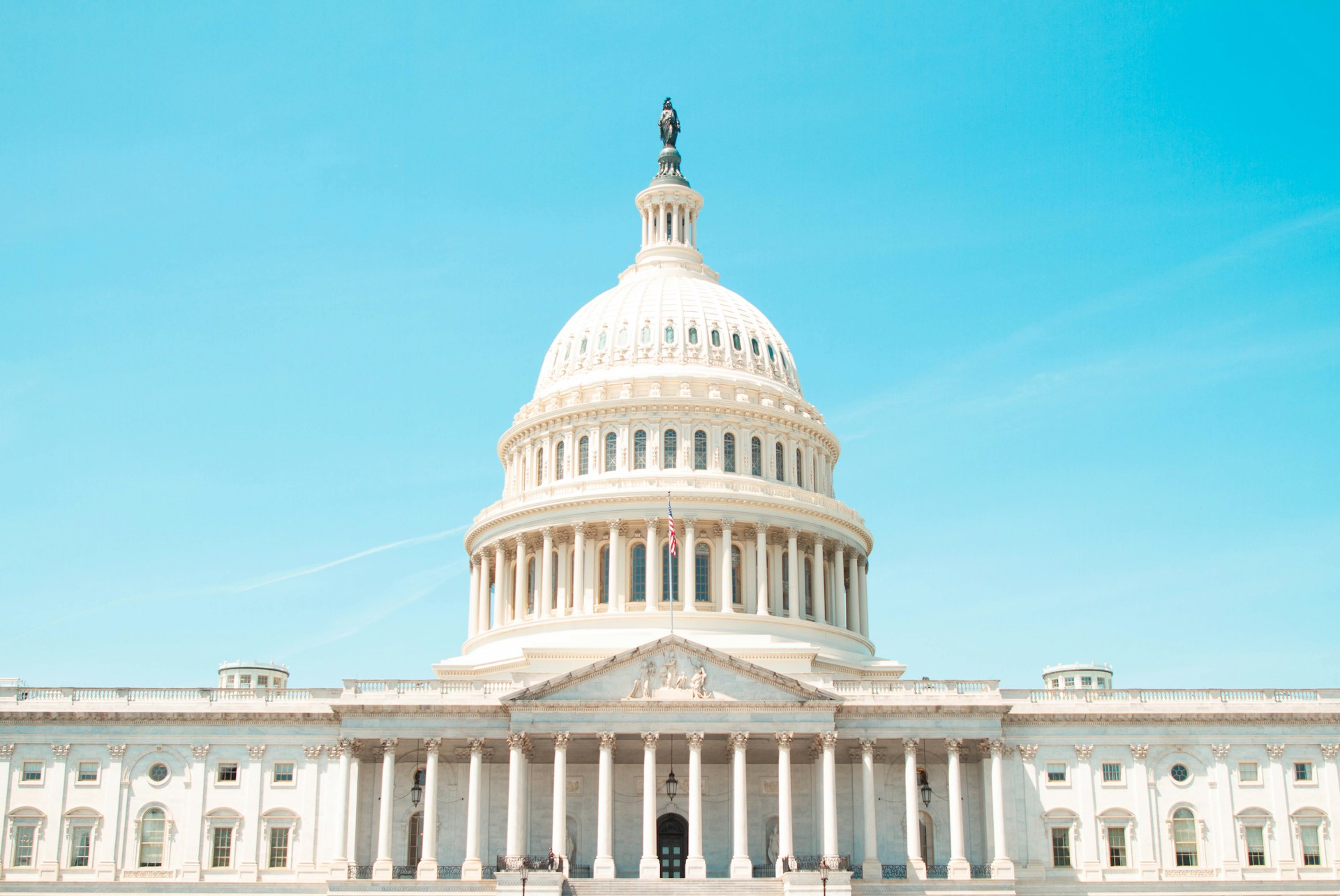
- Image: Caleb Perez on Unsplash
For years, quantum computing has occupied an ambiguous place in Washington—acknowledged as transformative, but often treated as a problem for the future. That posture is now changing. On January 12 in Washington, D.C., senior officials from the Federal Bureau of Investigation, the National Institute of Standards and Technology, and the Cybersecurity and Infrastructure Security Agency came together to outline how the federal government is preparing for the quantum era—and why that preparation must begin well before quantum computers can break today’s encryption.
Their presentations anchored the opening convening of the Year of Quantum Security 2026 (YQS2026), a year-long global engagement bringing government, industry, and international partners into a shared conversation about digital trust, national security, and long-term infrastructure resilience. What emerged was not a warning about an imminent technological shock, but a coordinated federal message: the transition to quantum-resilient security is already underway, and delaying action will only narrow future options.
At the center of federal concern is encryption—the invisible infrastructure that secures military communications, financial systems, healthcare data, and intellectual property. While cryptographically relevant quantum computers may still be years away, officials emphasized that adversaries are not waiting. Encrypted data with long shelf lives can be collected today and decrypted later, turning what appears to be a future threat into a present-day security challenge.

The federal message was consistent and pragmatic: cryptographic migration takes time, and time cannot be recovered once it is lost.
From a standards perspective, the U.S. government has moved beyond theory. NIST has finalized the first set of post-quantum cryptography standards and is actively supporting their testing and validation for production use. Officials stressed that cryptographic transitions are rarely simple upgrades. They ripple through software, hardware, procurement cycles, compliance frameworks, and global supply chains. In some cases—particularly public-key infrastructure—the transition can take a decade or more.
Rather than waiting for certainty about quantum timelines, federal guidance now emphasizes phased action: inventory systems that rely on quantum-vulnerable encryption, prioritize long-lived and high-value data, and begin integrating post-quantum algorithms alongside existing cryptography. Hybrid approaches, combining classical and post-quantum methods, are increasingly viewed as practical bridges rather than temporary compromises.
Cybersecurity officials reinforced that quantum preparedness is no longer confined to research programs or future planning documents. Under existing statutes, executive orders, and national security memoranda, federal agencies are already required to identify cryptographic risk, align procurement with quantum-ready products, and coordinate migration planning across departments. The planning horizon often cited—roughly the early to mid-2030s—reflects not optimism about quantum breakthroughs, but realism about how long infrastructure change actually takes.
At the same time, the federal focus extends beyond encryption alone. Quantum technologies themselves are now treated as strategic assets—and therefore attractive targets. Counterintelligence officials described how quantum research, hardware, and talent are already drawing attention from nation-states and criminal actors seeking economic or strategic advantage. In that framing, quantum security becomes as much about protecting innovation as protecting information.
This dual reality was a central theme of the YQS2026 discussions, often framed as two sides of the same challenge:
Security from Quantum
- Protecting existing digital systems from future quantum-enabled attacks
- Migrating encryption before adversaries can exploit it
- Reducing long-term exposure from “harvest now, decrypt later” threats
Security for Quantum
- Protecting quantum technologies, research, and intellectual property today
- Safeguarding supply chains, facilities, and personnel
- Addressing counterintelligence and economic security risks as the field matures
Federal officials emphasized that these challenges are deeply interconnected. Cyber defenses, physical security, personnel vetting, research security, and supply-chain integrity are increasingly treated as a single risk surface rather than separate silos.
What also stood out was the international dimension. Encryption standards, data flows, and technology supply chains do not stop at national borders. U.S. agencies highlighted ongoing coordination with foreign governments and allied partners to align standards, share threat information, and reduce fragmentation that could weaken collective security. Quantum security, officials noted, is inherently a partnership issue.
Equally notable was the emphasis on prevention. Federal agencies repeatedly pointed to the availability of no-cost resources—online guidance, assessments, training, and advisory services—designed to help organizations understand their exposure and plan responsibly. Officials encouraged companies, research institutions, and infrastructure operators to build relationships with federal agencies early, rather than waiting until a breach, theft, or disruption occurs.
The message was clear: engagement before an incident is far more effective than response after one.
In tone, the federal posture was measured rather than alarmist. There were no predictions of an imminent “quantum day,” no claims of certainty about timelines. Instead, the emphasis was on governance, coordination, and long-term stewardship. Quantum security, officials suggested, should be approached much like previous foundational transitions—from Y2K to zero-trust architectures—where early planning reduced cost, risk, and disruption.
The January 12 YQS2026 convening in Washington made clear that quantum computing is no longer just a scientific milestone on the horizon. It is already shaping how the U.S. government thinks about digital trust, economic security, and international coordination. The discussion, hosted in Washington by Holland & Knight and the Quantum Industry Coalition, reflected a growing recognition that quantum security requires sustained engagement across public, private, and international partners.
As the Year of Quantum Security 2026 continues, the initiative—co-presented by The Quantum Insider and Quantum Coast Capital—will expand through additional global convenings and discussions throughout the year. Federal agencies, for their part, remain focused on a central goal: ensuring that when quantum capabilities arrive, the foundations of digital security are ready for them.