


Insider Brief
- Researchers at Lomonosov Moscow State University have developed and tested a 72-qubit atom-based quantum computing prototype using neutral rubidium atoms, according to TASS.
- The system introduces a new three-zone architecture separating computation, quantum state storage, and readout, with current experiments using two of the three zones.
- Tests show two-qubit gate accuracy of 94%, with researchers aiming to scale toward hundreds of high-fidelity qubits by 2030 to enable error-corrected quantum operations.
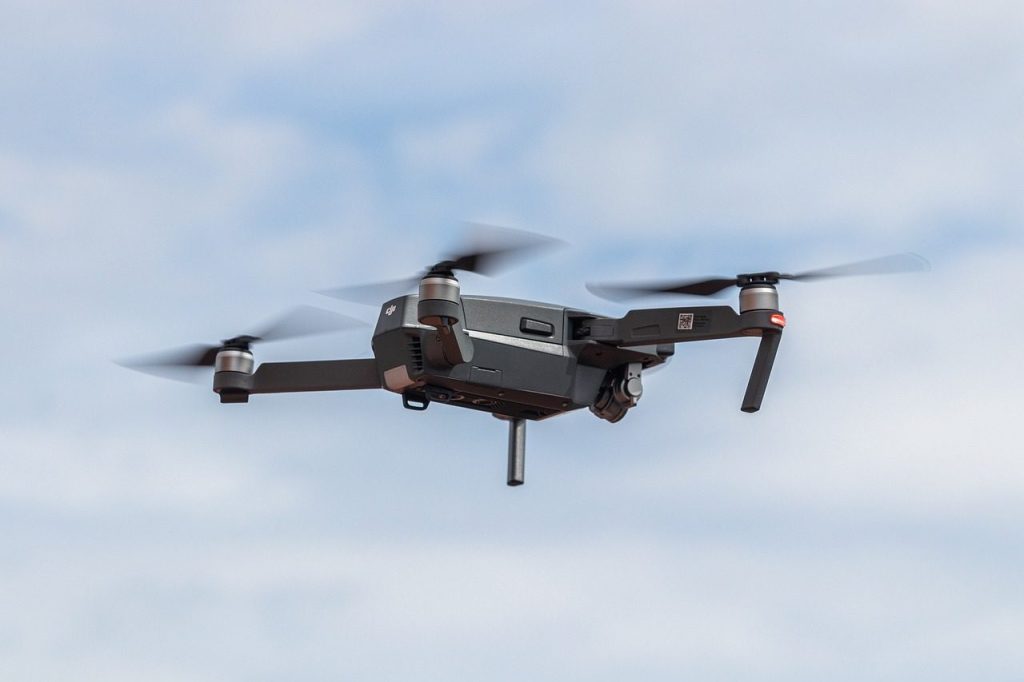
- Photo from Pexels by Сергей Велов.
According to TASS reporting, researchers from the Physics Department at Lomonosov Moscow State University have developed and tested a prototype quantum computer based on single neutral rubidium atoms, reaching 72 qubits. Rosatom Quantum Technologies said this marks the third Russian quantum computer to surpass the 70-qubit threshold.
As TASS reports, Yekaterina Solntseva, Director of Quantum Technologies at Rosatom State Corporation, said:
“Reaching the 72-qubit mark on an atom-based platform confirms the systematic development of the domestic quantum project and our strong position in quantum research and the creation of quantum computer prototypes. It is especially important that the scientists have taken another step toward progressively improving the reliability of operations.”
Solntseva emphasized that lowering error rates in quantum logic operations is essential for expanding quantum computing capabilities to levels required for solving complex problems in areas such as industry and finance. She also noted that this progress supports Russia’s technological sovereignty and the competitiveness of its economy.

TASS further reports that the new atom-based quantum prototype uses a new architecture that divides quantum registers into three zones. Stanislav Straupe, head of the quantum computing sector at the Quantum Technology Center at Moscow State University, said one zone is dedicated to computations, while the other two are designed for long-term quantum state storage and information readout.
According to TASS, only the computing and storage zones were used in the current experiments, with development of the third zone planned for the next stage. Straupe stated that reaching several hundred high-fidelity qubits by 2030 would enable logical operations with error correction and allow algorithms that are no longer solvable using classical computers.
Experiments show the prototype can perform two-qubit logical operations with 94% accuracy, TASS reports. Vladimir Belokurov, Dean of the Physics Department at Moscow State University, said the project involves not only senior researchers but also young scientists, graduate students, and undergraduates, helping engage the next generation in one of Russia’s major scientific initiatives.
This reporting is based on statements and data published by TASS, Russia’s state-owned news agency, and affiliated institutions. The reported qubit count, system design, and performance metrics have not been independently verified through peer-reviewed scientific publication or third-party validation.
Source: https://tass.com/science/2063765