

Insider Brief
- SiC Systems, ORCA Computing, Novo Nordisk, and DTU won the 2025 HPC Innovation Excellence Award for research combining AI and quantum computing to detect manufacturing faults.
- The team created a quantum-enhanced AI system that builds high-resolution digital twins to identify minute defects in biomanufacturing processes.
- The study shows that unsupervised AI, supported by quantum methods, can monitor complex industrial systems without prior fault data and deliver practical early-stage quantum computing value.
PRESS RELEASE — Breakthrough research has made clear how AI and quantum computing can be used to identify tiny, otherwise undetectable faults in manufacturing processes. This means they can be mitigated before they become expensive problems to fix.
The research, conducted by SiC Systems, Inc., ORCA Computing, Novo Nordisk, and the Technical University of Denmark has won the 2025 HPC Innovation Excellence Award, the world’s most prestigious High Performance Computing prize. Previous awardees have included NVIDIA, NASA, Argonne National Lab, and Microsoft.
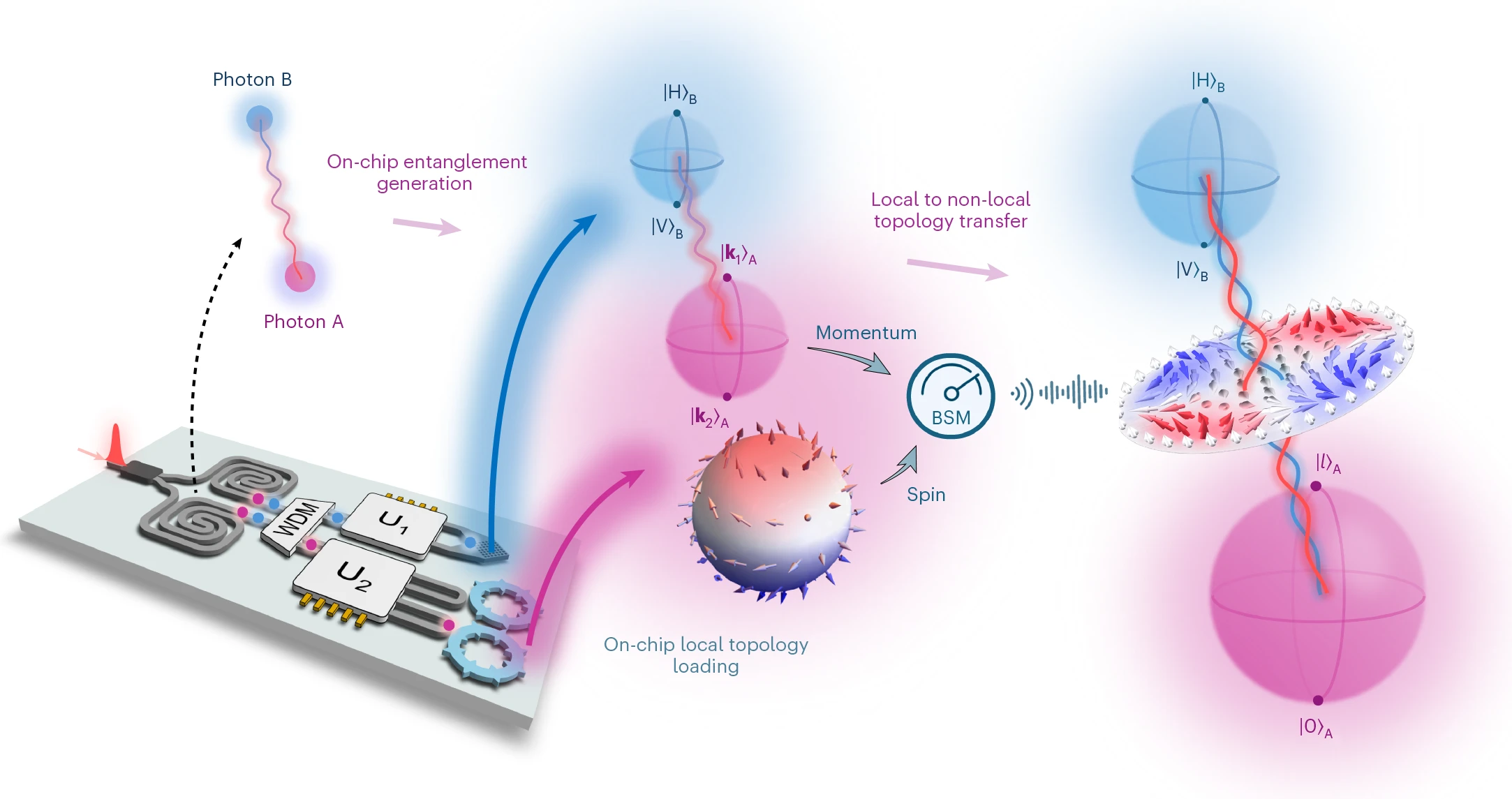
The award-winning research utilized quantum computing to enhance traditional AI, enabling the team to create a high-resolution ‘digital twin’ of a biomanufacturing plant that accurately modeled normal operations in incredible detail. This allowed the AI to be able to detect minute defects in raw materials that can cost manufacturers millions of dollars in lost revenue.

The groundbreaking research shows that unsupervised AI, enhanced by quantum computing, can monitor complex systems without having any prior information about what faults look like. It also shows how quantum computers, even in their current early stages of maturity, can be put to practical use.
“Winning the HPC Innovation Excellence Award is a true honor. It’s a real validation of how much of a breakthrough our research is in showing how smarter monitoring can lead to more reliable manufacturing processes.
“We have shown that quantum computing is not an all-or-nothing future technology. It is already being pragmatically integrated to solve tangible problems today. By creating better synthetic data to overcome the scarcity of real-world failure examples, quantum-enhanced AI is sharpening the ‘senses’ of industrial monitoring systems.”
— said Dr. Christopher Savoie, Founder and CEO at SiC Systems
“This joint effort and the recognition is a testament to the value of cross-Atlantic collaboration between industry and academia to solve the world’s most pressing challenges.”
— said Dr. Richard Murray, Co-Founder and CEO at ORCA Computing
“This result, alongside the recent announcements from Google and Quantinuum, will be remembered as the moment we have stepped into the era of quantum advantage and we are incredibly proud to have backed the team that is making history.”
— said Dr. Kris Kaczmarek, Investment Director at QDNL Participations
“This is a major achievement for us within the process systems engineering domain to truly bridge scientific curiosity with real-world applications applied to biomanufacturing. We continue our efforts to demonstrate near term industrial applications of quantum computing and Agentic AI to bring them to the manufacturing floor”.
— said Prof. Seyed Soheil Mansouri, Founder at SiC Systems and Associate Professor at the Technical University of Denmark
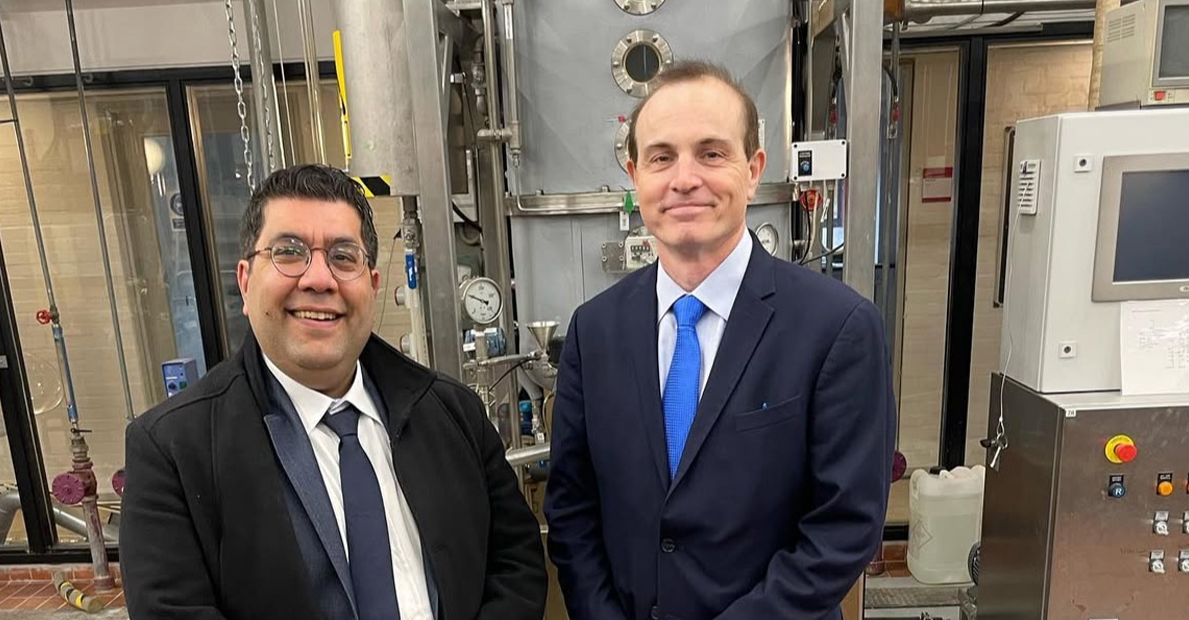
SiC Systems was founded by Christopher J. Savoie–whose pioneering work with AI agents led to the assistants we know today in mobile devices, smart speakers and beyond–and Seyed Soheil Monsouri, Professor of Process Systems Engineering at the Technical University of Denmark (DTU), a pioneer of applying model-based tools to complex multi-scale dynamic systems including quantum computing to (bio and chemical) manufacturing applications. Prof Mansouri is the anchor author on the recent study leading to this award.
The company last month launched with a funding round led by QDNL Participations, with participation from Propagator Ventures, Plug and Play, and Wavepeak Ventures.
SiC Systems is now exploring use cases for its technology to enhance a range of complex industrial processes.
The results of the research were released publicly last month and can be accessed here in the paper Quantum enhanced ensemble GANs for anomaly detection in continuous biomanufacturing, by Rajiv Kailasanathan, William R Clements, Mohammad Reza Boskabadi, Shawn M. Gibford, Emmanouil Papadakis, Christopher J. Savoie and Seyed Soheil Mansouri.