
The Quantum Computing Scalability Conference, held at Lady Margaret Hall — an historic college within the University of Oxford known for being the first to admit women — took place last week (30–31 March 2023) and was a chance for those interested in the sector to find out what it is the National Quantum Computing Centre (NQCC), funded through the UK Research and Innovation and sponsored by the Engineering and Physical Sciences Research Council (EPSRC) and the Science and Technology Facilities Council (STFC), is up to. It also allowed those in attendance to expand further their knowledge of the quantum tech ecosystem within the UK’s borders and find out the challenges quantum computing faces in hardware scalability and other areas.
The event was organized over two days and the agenda and split into four areas:
- Photonics and Superconducting on Day One
- Cold Atoms and Trapped Ions on Day Two
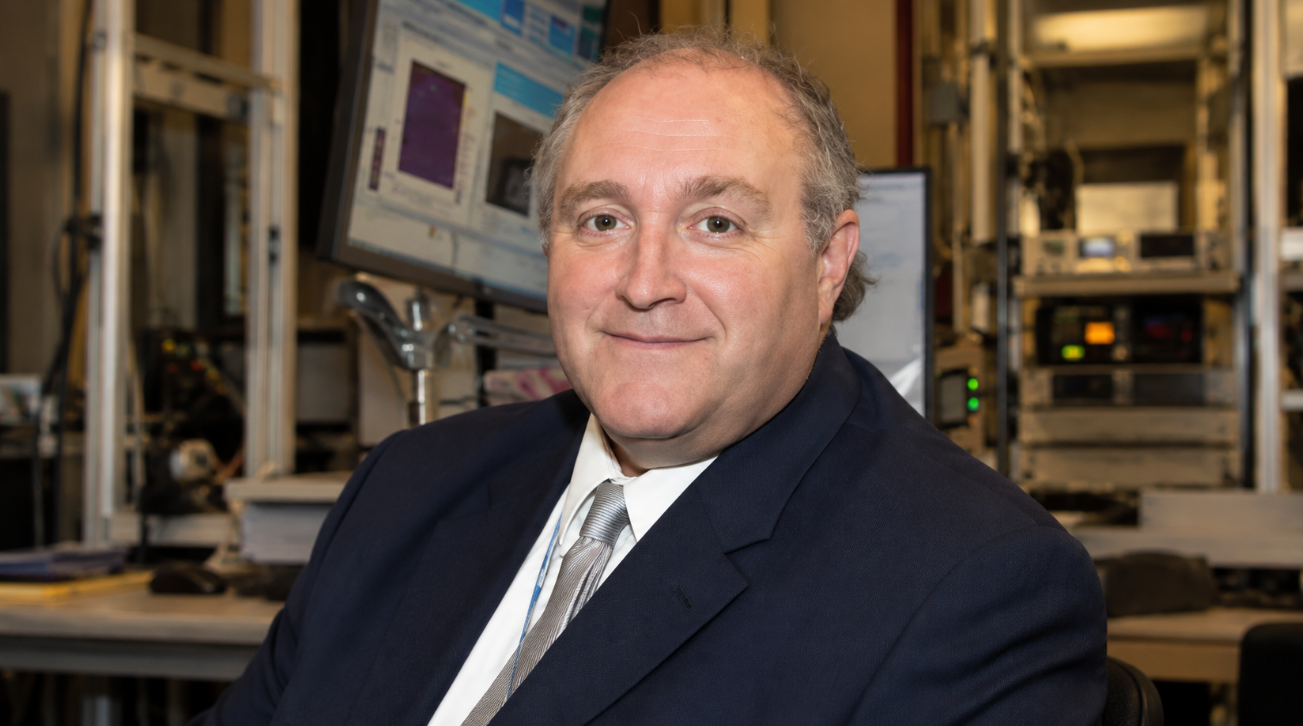
The conference kicked off with a speech by Dr. Michael Cuthbert, Director of the NQCC, who mentioned how important it is to bring new people into the field as it scales and the importance of bridging the skills gap, followed by speakers from industry and academia alike, giving concise twenty-minute presentations on their areas of expertise with a short Q&A session to conclude their time on the podium.
Some of those invited to speak included Chris Monroe of Duke University and co-founder of the quantum company, IonQ, Harry Zhou of QuEra Computing, Josh Nunn of ORCA Computing, and Niccolo Somaschi of Quandela.

Some of the key takeaways from the presentations are that photonics, trapped ions, superconductive circuits, and cold atoms are all promising hardware platforms, though a clear winner in the race to build a scalable quantum computer is still unknown. Additionally, quantum computing faces many challenges, including hardware scalability, but there are experts out there researching and engineering those challenges.
The NQCC’s very own Cameron Deans, Vivek Chidambaram and Nicholas Spong also took to the stage to give the audience a better understanding of where the NQCC is heading in terms of its respective research in Superconducting, Trapped Ions and other areas.
To conclude each day, there was a panel discussion. Day One was on “Benchmarking in scalable devices” while Day Two discussed “Enabling technologies”.

Between the presentations and panel discussions, attendees had the chance to network during coffee and lunch breaks. On the evening of Day One, a conference dinner was hosted, another opportunity for people to chat and make notes in an intimate setting.
Overall, the event was a huge success and did a great job of highlighting what the NQCC is all about. Besides this, it also painted a descriptive picture of what is happening in the UK overall, both in terms of government investment, the private sector and calling attention to the roadblocks to success.
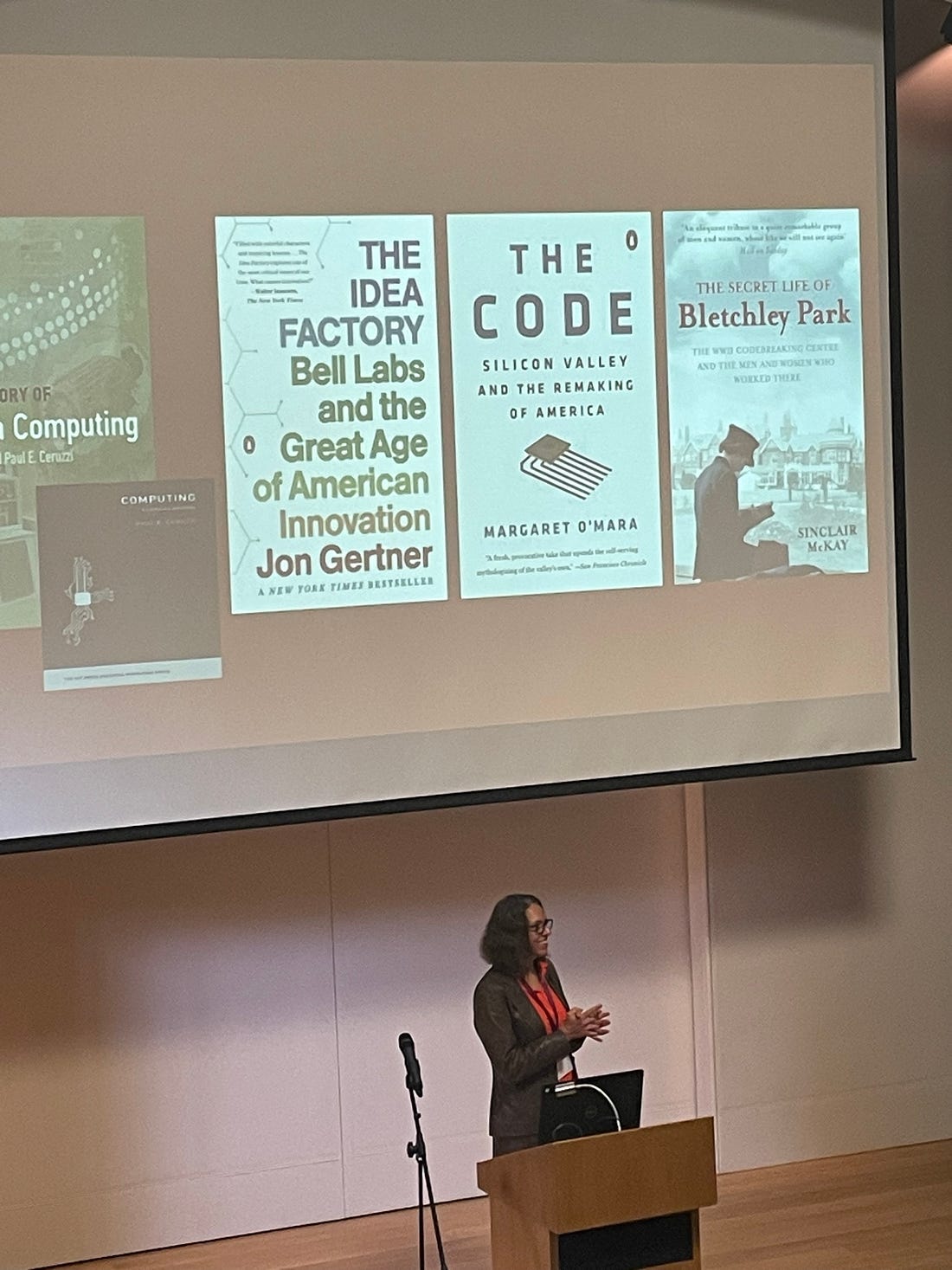
Image: Mandy Birch during her presentation “Building from a Century of Computing: Creating a Framework to Scale Quantum Computing” at the Quantum Computing Scalability Conference
If you found this article to be informative, you can explore more current quantum news here, exclusives, interviews, and podcasts.