

Insider Brief
- IBM reaffirmed its commitment to quantum computing and AI despite reporting weaker-than-expected preliminary second-quarter 2026 financial results driven by shortfalls in software and infrastructure performance.
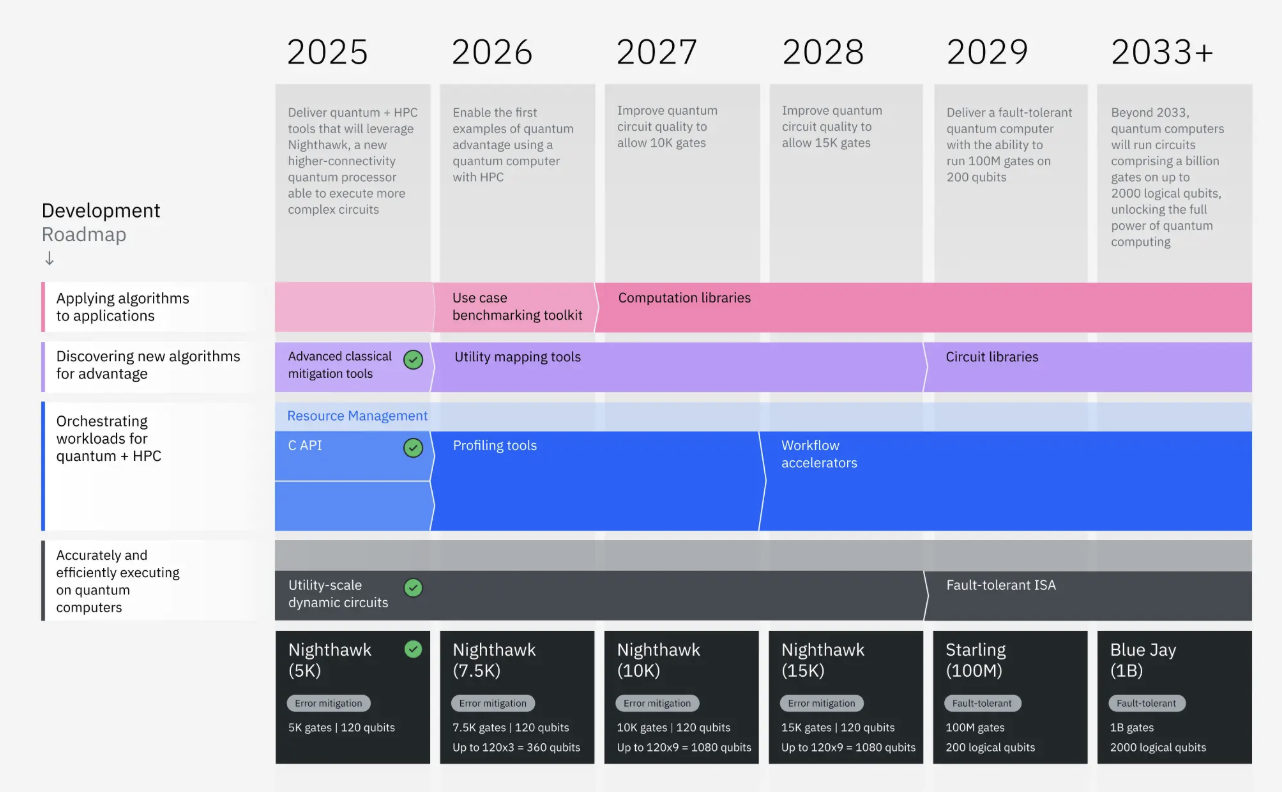
- The company said it remains on track to deliver a large-scale fault-tolerant quantum computer by 2029 and is continuing its planned investment of more than $10 billion in quantum computing over the next five years, including support for the proposed Anderon quantum wafer foundry.
- IBM also highlighted continued momentum in enterprise AI, citing growing generative AI consulting demand and the launch of its Lightwell cybersecurity platform backed by a $5 billion commitment.
IBM reaffirmed its commitment to quantum computing and artificial intelligence even as it reported weaker-than-expected preliminary second-quarter financial results and acknowledged execution problems that weighed on software and infrastructure sales.
In a letter to investors, IBM CEO Arvind Krishna said the company remains committed to its roadmap of building a large-scale fault-tolerant quantum computer by 2029 and continues to expand investments in both quantum computing and enterprise AI despite a disappointing quarter.
The preliminary results showed revenue of $17.2 billion, up 1% from a year earlier. Software revenue increased 5%, consulting revenue was essentially flat, and infrastructure revenue fell 7%. IBM said gross margin narrowed while diluted GAAP earnings per share declined 2% to $2.27.

The company’s stock fell by as much as 25% on the news.
Krishna attributed much of the shortfall to weaker-than-expected performance in IBM‘s Z mainframe business and related software. He said some customers shifted spending late in the quarter toward servers, storage and memory to secure supply-constrained infrastructure before anticipated price increases, while broader cybersecurity concerns also delayed purchasing decisions.
He also acknowledged that IBM failed to execute effectively during the quarter, saying large customer deals did not close on the expected timeline.
Quantum Investment Unchanged
Despite the financial setback, Krishna devoted part of the letter to emphasizing IBM‘s long-term quantum strategy, describing the technology as an increasingly near-term commercial opportunity rather than a distant research effort.
“Finally, quantum computing is no longer decades away, it is upon us, and we are investing aggressively,” Krishna wrote.
He highlighted IBM‘s recently announced letter of intent with the U.S. Department of Commerce to build Anderon, which the company describes as the world’s first dedicated quantum wafer foundry. The project would receive up to $1 billion in incentives through the CHIPS program, alongside a $1 billion cash investment from IBM.
Krishna also pointed to IBM‘s previously announced plan to invest more than $10 billion in quantum computing over the next five years. According to the letter, the spending will support research and development, manufacturing capacity, capital expenditures, acquisitions and ecosystem expansion.
IBM also reiterated its goal of delivering the first large-scale fault-tolerant quantum computer by 2029. Fault-tolerant quantum systems are designed to detect and correct errors that naturally occur during quantum calculations, a capability widely viewed as necessary before quantum computers can reliably solve commercially valuable problems.
The renewed commitment comes as IBM continues to position quantum computing as a long-term growth business even while its core infrastructure and software operations face near-term market pressures.
AI Remains a Strategic Priority
Krishna also highlighted IBM‘s expanding enterprise AI strategy, particularly around generative AI and cybersecurity.
The company said consulting signings continued to benefit from generative AI demand during the quarter. Krishna also cited the launch of Lightwell, a new initiative backed by what IBM described as a $5 billion commitment and more than 20,000 engineers focused on helping enterprises identify and manage open-source software vulnerabilities.
According to the letter, major financial institutions, including Bank of America, BNY, Citi, Goldman Sachs, JPMorganChase, Mastercard, Morgan Stanley, Royal Bank of Canada, State Street, Visa and Wells Fargo, are among the early adopters of the platform. General availability was announced on July 8.
IBM also reported that Red Hat revenue accelerated to 11% growth during the quarter, while recent acquisitions including HashiCorp and Confluent contributed positively to software performance.
Although infrastructure revenue declined overall, Krishna said IBM‘s distributed infrastructure business delivered its strongest reported performance, rising 37%, supported by growth in Power systems and storage products.
Krishna said IBM is accelerating initiatives to improve execution and restore growth while maintaining confidence in the company’s broader technology strategy.
IBM said it expects to provide complete second-quarter financial results and updated full-year guidance during its scheduled earnings call on July 22.