Nordic Ministers Pledge Closer Cooperation on Quantum Research


Insider Brief
- Nordic education and research ministers adopted a joint declaration to strengthen cooperation on quantum research facilities, workforce training and commercialization.
- The ministers formed a working group to follow up on a May 2025 agreement, with funding and implementation dates left unspecified.
- The declaration identifies NordForsk as a way to help researchers work across borders and share facilities, and calls for closer ties among researchers, educators and companies.
Nordic education and research ministers pledged Thursday to work more closely on quantum research facilities, workforce training and commercialization in a bid to attract researchers, companies and investment to the region.
The Nordic Council of Ministers for Education and Research adopted the joint declaration in Copenhagen. The ministers said they had formed a working group spanning multiple sectors to follow up on a May 2025 quantum agreement among Nordic prime ministers and heads of government. The group is one of the concrete steps identified in the new declaration.
The declaration calls for closer ties among researchers, educators and companies. The ministers said better coordination on research facilities and training could help turn laboratory findings into technologies that businesses and other organizations can use. They pointed to the region’s research institutions, skilled workforce, emerging quantum industry and existing partnerships between government and business as a base for that work.
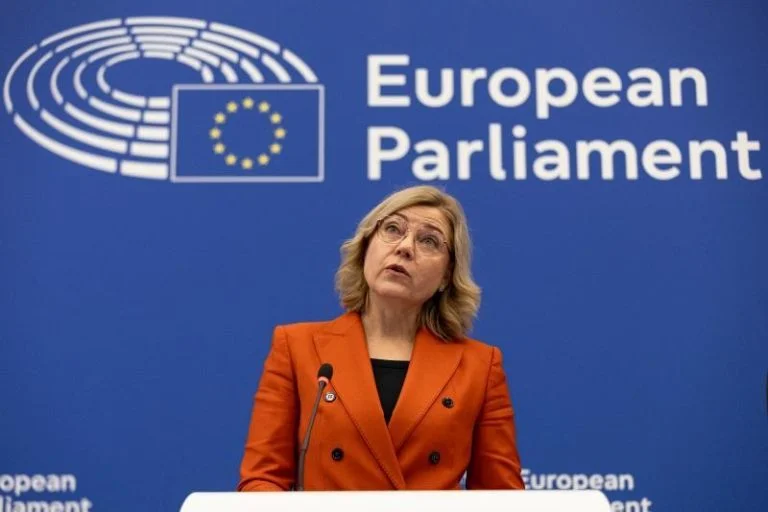
“Today’s declaration means that we will work even more closely together on knowledge sharing and development in the field of quantum technology and translate our research strengths into tangible solutions faster – for the benefit of our security, competitiveness and green transition,” said Christina Egelund, the Danish Minister for Science, Higher Education & Digital Affairs, in a news release.
The council cited growing international competition over critical technologies in its introduction to the declaration. Quantum technology spans computers that use quantum effects to process information, communications systems that use them to transmit information or secure links, and sensors that use them to make precise measurements. The ministers added that research would help determine how the still-developing field would put the technology to use.
Sharing research facilities
The ministers identified NordForsk, a regional organization that funds and supports research cooperation, as a way to help researchers work across borders and collaborate on facilities. They also said they would use existing Nordic forums to share information and develop partnerships. The declaration cited Nordic Quantum, Nordic Quantum Alliance and Nordic Compass as initiatives already helping connect researchers, educators and industry.
A 2025 NordForsk report on the Nordic and Baltic countries found that fragmented funding, limited sharing of facilities and administrative hurdles had held back cooperation. The report identified shared access to research equipment and facilities as one area where closer coordination could help. For a research team, that could mean running experiments at a facility in another country when the necessary equipment is unavailable at home.
Earlier commitments
The Copenhagen declaration also follows an October statement by Nordic ministers responsible for business and regional cooperation. That statement included a pledge to explore ways to improve the position of Nordic companies in emerging technologies, drawing in part on the region’s quantum work. The May 2025 agreement called for closer coordination among national research funding programs and for governments to explore joint funding for quantum applications.
The education and research ministers said they would step up discussions with European and other international partners to advance Nordic interests and contribute to the wider development of quantum technology. They also called for attention to ethics and security, the development of common technical standards and reliable supplies of the materials, components and services that researchers and companies need.
Keep track of everything going on in the Quantum Technology Market. In one place.
Matt Swayne
With a several-decades long background in journalism and communications, Matt Swayne has worked as a science communicator for an R1 university for more than 12 years, specializing in translating high tech and deep tech for the general audience. He has served as a writer, editor and analyst at The Quantum Insider since its inception. In addition to his service as a science communicator, Matt also develops courses to improve the media and communications skills of scientists and has taught courses.
[email protected]
Stay Ahead of Quantum
Get the latest research, company news, and market intelligence every week.
MENTIONED IN THE ARTICLE

Nordic Council of Ministers
The Nordic Council of Ministers is the official intergovernmental body for cooperation among the Nordic countries. It coordinates joint work in areas such as research, innovation, education, digitalisation, and economic development.
→

NordForsk
NordForsk is a Nordic organization that funds and facilitates research cooperation among the Nordic countries. It supports joint research programs, funding calls, and collaboration between universities, research institutions, and other organizations across the Nordic region.
→