QCi and Hamad Bin Khalifa University Sign Three-Year Agreement on Quantum Technology


Insider Brief
- Quantum Computing Inc. has signed a three-year framework agreement with Hamad Bin Khalifa University in Qatar covering quantum computing, quantum sensing and quantum communications.
- The partnership will support joint research, executive education, industry projects, applications development and quantum workforce development across Qatar.
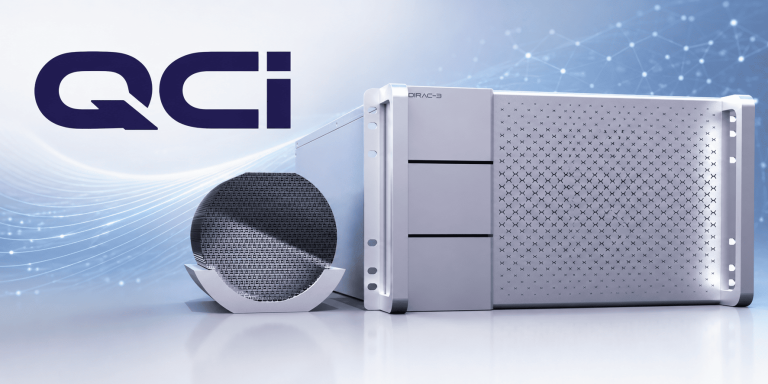
- QCi will provide HBKU with cloud access to its Dirac-3 system and install the platform in Qatar to support research, education and potential quantum applications.
PRESS RELEASE — Quantum Computing Inc. (“QCi” or the “Company”) (Nasdaq: QUBT), a vertically integrated quantum company pioneering photonics and semiconductor manufacturing, today announced it has signed a three-year Framework Agreement with Hamad Bin Khalifa University, Qatar (HBKU) to collaborate in quantum computing, quantum sensing, and quantum communications.
The partnership in a specific focus area for HBKU establishes a foundation for joint academic research, executive education programs, industry-focused projects, applications development, and co-marketing initiatives to accelerate the adoption of quantum technologies across Qatar and beyond. Moreover, QCi and HBKU will work together to develop practical quantum solutions that address real-world challenges while building the next generation of quantum talent and leadership.
“Quantum technologies will have their greatest impact when they move beyond the laboratory and into practical applications that create measurable value for industry and society,” said Yong Meng Sua, CTO of QCi. “We are excited to collaborate with HBKU to advance research, educate future leaders, and explore real-world use of quantum computing, sensing, and communications. This partnership aligns directly with QCi’s mission to make quantum technologies accessible, scalable, and impactful for organizations around the world.”

QCi will provide on-cloud Dirac-3 system access to HBKU, as well as installation in Qatar to support the quantum ecosystem and leadership in the region. The Dirac-3 platform is designed to solve complex optimization problems using entropy quantum computing techniques that can be deployed through the cloud without requiring specialized quantum expertise. The alliance with HBKU will provide students, researchers and industry partners with hands-on access to quantum technologies while helping identify new opportunities for commercialization and adoption. QCi and HBKU are already collaborating on educational initiatives to help business and government leaders understand the opportunities and implications of emerging quantum technologies.
Since launching HBKU’s Qatar Center for Quantum Computing (QC2), the University’s growing capabilities have already translated into application, as demonstrated by the establishment of Qatar’s first quantum-safe communication link in collaboration with national partners. HBKU has continued building relationships across the quantum ecosystem, while developing talent and research infrastructure at the same time.
“Through this agreement, we are creating new opportunities to further advance quantum research while building the knowledge and skills necessary to support the adoption of quantum technologies across Qatar’s innovation ecosystem,” said Dr. Saif Al-Kuwari, Director of Qatar Center for Quantum Computing at Hamad Bin Khalifa University. “We look forward to working with QCi to develop meaningful research, educational programs, and industry collaborations that will contribute to the growth of the global quantum economy.”
Pouya Dianat, Chief Product Officer of QCi, added, “One of the most important factors in accelerating quantum adoption is helping business leaders understand where these technologies can create practical value. Our collaboration with HBKU combines academic excellence, executive education, and industry engagement to help bridge that gap and identify high-impact opportunities for quantum solutions.”
The agreement reflects both organizations’ commitment to advancing quantum innovation through collaboration among academia, industry, and government stakeholders. Over the next three years, QCi and HBKU expect to pursue a range of initiatives, including joint research, executive education, industry applications, technical workshops, and quantum-focused events.

Keep track of everything going on in the Quantum Technology Market. In one place.

Mohib Ur Rehman
Covering quantum and emerging technologies, Mohib explores the intersection of technology, security, and society. His work also frequently examines surveillance infrastructure and the institutions shaping the digital world. In addition to his work at The Quantum Insider, he co-runs SK NEXUS, an independent technology publication that helps readers understand the technologies shaping their lives.
Stay Ahead of Quantum
Get the latest research, company news, and market intelligence every week.
MENTIONED IN THE ARTICLE

Quantum Computing Inc
Quantum Computing Inc (QCI) is a provider of full stack quantum solutions for clients.
→
Hamad Bin Khalifa University
Hamad Bin Khalifa University, situated in Doha's Education City in Qatar, is a public university. It was established in 2010 and is affiliated with Qatar Foundation for Education, Science, and Community Development.
→
More in Industry News