

QuSecure Awarded Follow-On U.S. Air Force Contract for Post-Quantum Cybersecurity Solutions to Strengthen National Defense

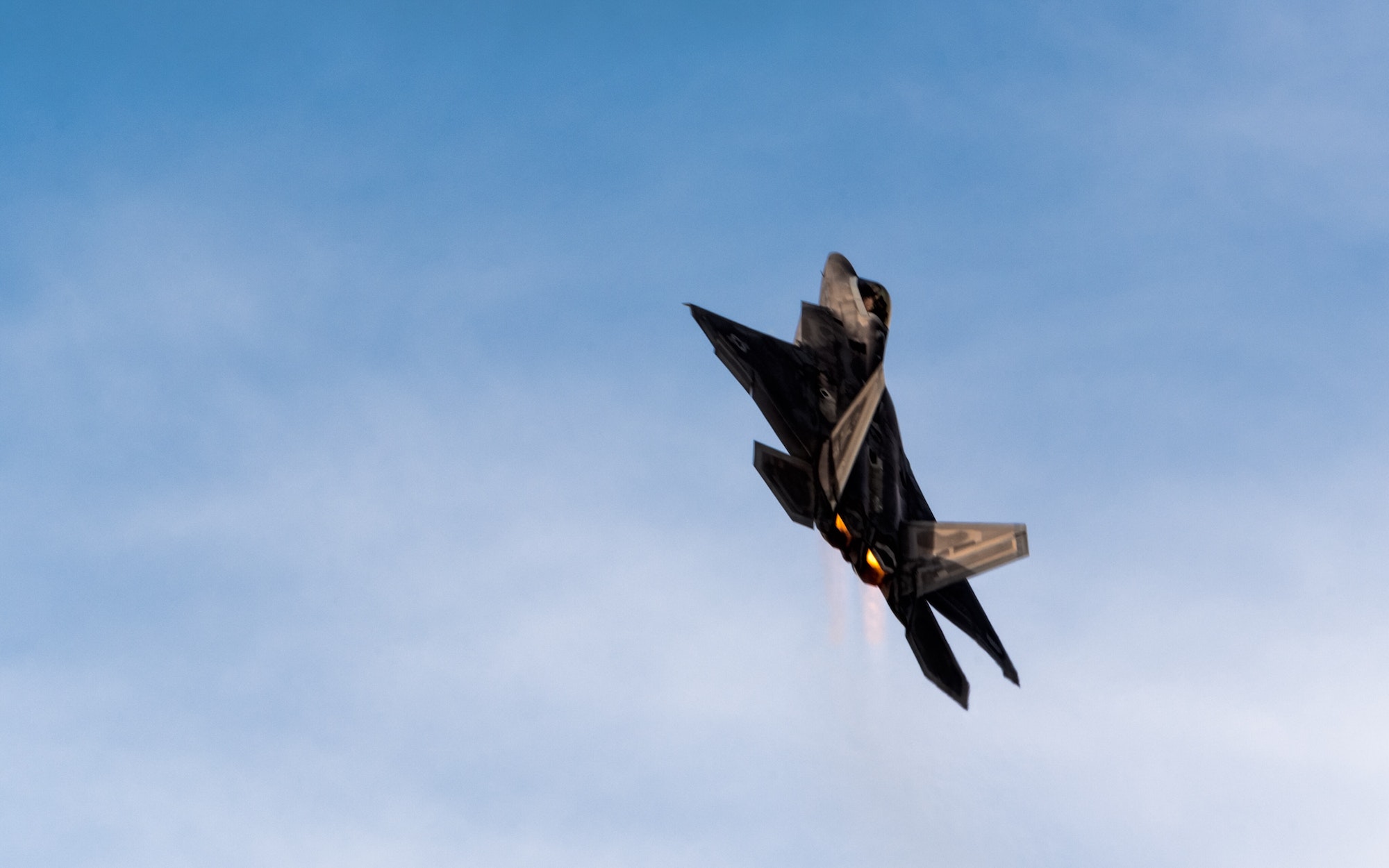
F-22 Raptor
Hub Hub

Insider Brief

  • QuSecure™ has been awarded a $1.23 million AFWERX SBIR Phase II contract to develop quantum-resilient encryption solutions for the Department of the Air Force (DAF), strengthening U.S. national defense.
  • The award builds on QuSecure’s successful SBIR Phase I performance and highlights its contributions to cybersecurity innovation in addressing critical defense challenges.
  • The DAF’s streamlined SBIR/STTR program aims to accelerate small business involvement in national defense through faster processes, expanded opportunities, and reduced bureaucratic barriers.


QuSecure™, Inc., a leader in post-quantum cryptography (PQC), announced it has been selected by AFWERX for a $1.23M Small Business Innovation Research (SBIR) Phase II contract focused on Quantum-Resilient Encryption to address the most pressing challenges in the Department of the Air Force (DAF).

The Air Force Research Laboratory and AFWERX have partnered to streamline the SBIR and Small Business Technology Transfer (STTR) process by accelerating the small business experience through faster proposal to award timelines, changing the pool of potential applicants by expanding opportunities to small businesses, and eliminating bureaucratic overhead by continually implementing process improvement changes in contract execution.

The DAF began offering the Open Topic SBIR/STTR program in 2018 which expanded the range of innovations the DAF funded, and now QuSecure will continue its journey to create and provide innovative capabilities that will strengthen the national defense of the United States of America.

Introducing TQI 2.0Introducing TQI 2.0

“Following our successful performance of the previous SBIR Phase I award, QuSecure is proud to continue with the Department of the Air Force’s efforts toward a more cybersecure national defense,” said Patrick Shore, Director of Strategy, Government for QuSecure. “This award from the Air Force recognizes QuSecure’s ability to help enhance our national security capabilities.”


Keep track of everything going on in the Quantum Technology Market. In one place.

Share

Stay Ahead of Quantum

Get the latest research, company news, and market intelligence every week.

MENTIONED IN THE ARTICLE

QuSecure
CompanyUnited States · 101-500 FTEs

QuSecure specializes in quantum-resilient cybersecurity, focusing on protecting data and communications from threats posed by quantum computing and AI. It develops solutions like QuProtect™ to help industries such as finance, critical infrastructure, and government achieve quantum-safe security without major system changes. The company emphasizes standards-based, compliant, and easily deployable cryptographic controls to address evolving security challenges.

→
Air Force Research Laboratory Quantum Group
GovernmentUnited States · 5001-10000 FTEs

The Air Force Research Laboratory is partnering with industry, academia, and the Department of Defense to apply quantum information science to Air Force concerns. AFRL has formally joined the IBM Q Network, the first ever partnership of its kind in the Department of Defense. This alliance will provide AFRL and its collaborators with access to commercial quantum systems to explore practical applications relevant to the Air Force. Early applications include optimization problems, speed-up of machine learning algorithms and quantum chemistry simulation. The Extreme Computing facility by the Air Force Research Laboratory (AFRL), is now open in New York. It is involved in quantum computing research, ranging from development, integration and deployment of advanced computing technologies for the Department of the Air Force. The AFRL Information Directorate received funding for five major projects. They include: 1. $10 million for Distributed Quantum Networking Testbed and Quantum Cloud Computing Environment, 2. $4 million for Photonic Quantum Computing, which will develop a next-generation ion trap computer. 3. $10 million for Enhancements and Operational Readiness improvements for Trusted DoD/Federal Unmanned Aircraft Systems. This system will manage UAS traffic to support the emerging Federal Aviation Administration/National Aeronautics and Space Administration Advanced Air Mobility vision and provide a real-time interface to Air Traffic Control. 4. $10 million for a Joint All-Domain Command and Control testbed which creates an operational-like environment that allows the warfighter to test cutting-edge technology and tools and provide feedback for researchers. 5. $10 million for a Multi-Domain Radio Frequency Spectrum Test environment. Total government funding involved in the AFRL currently amounts to ~$44 million USD.

→

More in Research

Related Articles