


PsiQuantum has raised $450m in Series D funding in its latest round to build its commercial quantum computer. The move is the latest in growing interest in quantum computing and particularly in PsiQuantum, the Palo Alto, California-based company that uses a photonic approach to quantum computing.
Blackrock led the latest financing round, with participation from insiders including Baillie Gifford, Quantum1 Group and M12 – Microsoft’s venture fund – and new investors including Blackbird Ventures and Temasek.
PsiQuantum intends to use the funds to expand its team and to build a 1 million-quantum-bit machine.

“Within this decade, we’ll be seeing the world-changing applications of that technology,” Jeremy O’Brien, PsiQuantum’s co-founder and chief executive told the Wall Street Journal.
PsiQuantum currently employs about 150 people.
The company is betting on its approach to create a quantum computer that can deliver practical solutions. To get there, the company believes they must scale to 1 million-plus qubits — and beyond — to deliver an error-corrected, fault-tolerant, general-purpose quantum computer. If their device, which uses photons, or particles of light, can scale at those levels, it could deliver real solutions to industries, including pharmaceutical development, materials science, renewable energy, climate mitigation and sustainable agriculture.
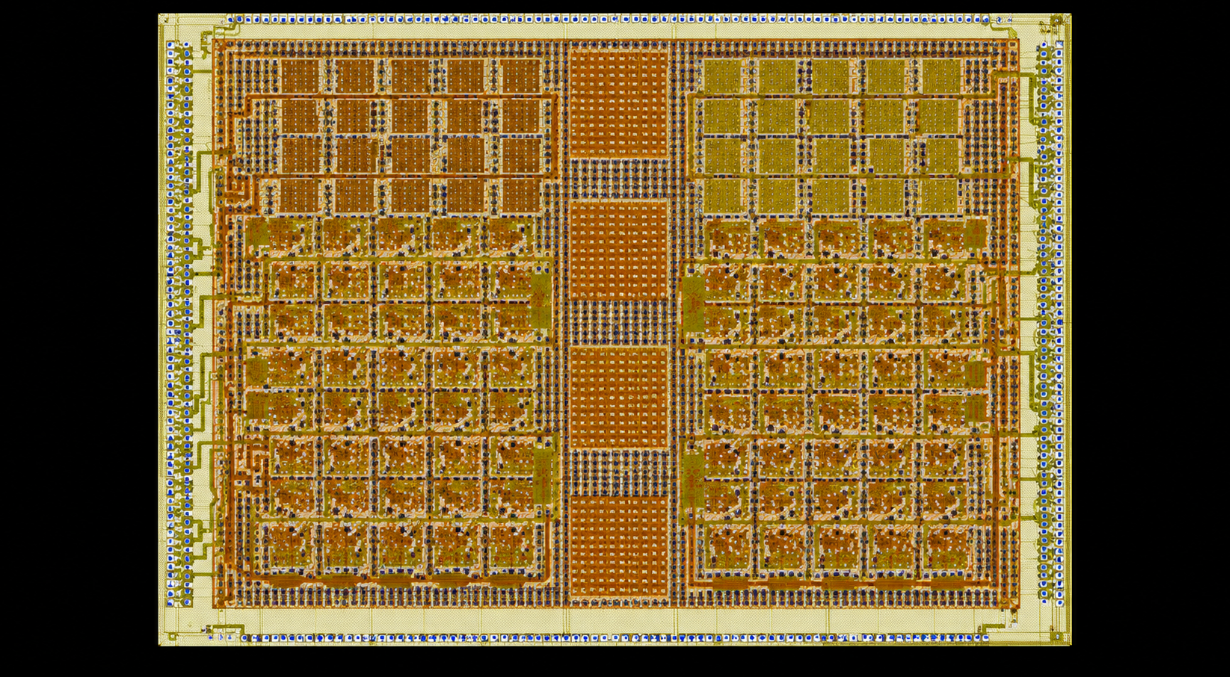
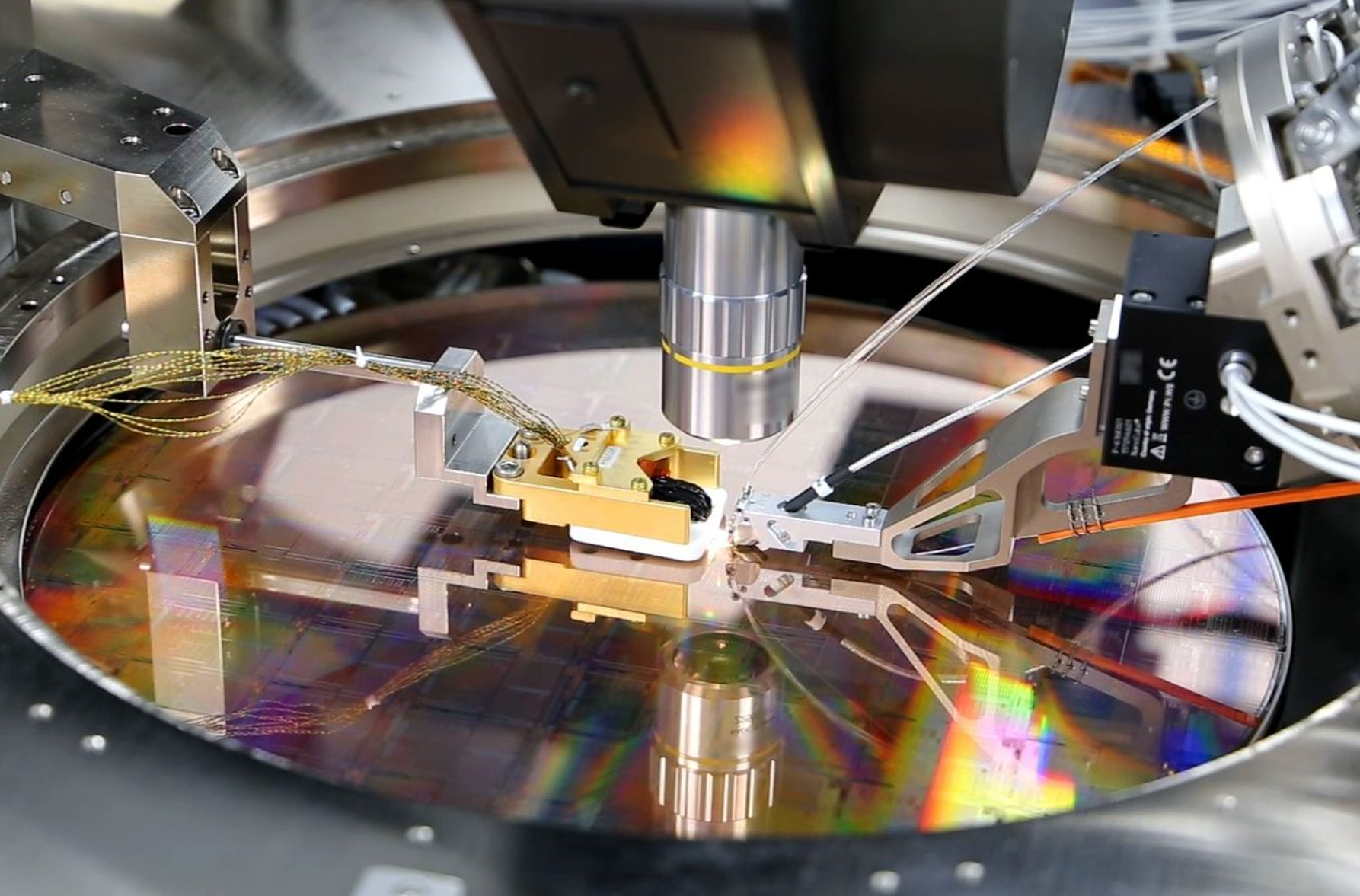
Recently, PsiQuantum partnered with GlobalFoundaries Inc. to manufacture the silicon photonic and electronic chips that form the foundation of PsiQuantum’s Q1 system. GlobalFoundaries is one of the world’s leading silicon photonics manufacturing platform, with customers including Qualcomm, Broadcom, Bosch and Intel. Recently, Intel was reported to be interested in buying GlobalFoundaries.
The partnership with GlobalFoundaries was an important step in delivering the Q1 system, PsiQuantum co-founder Pete Shadbolt told TQD.
He said: “The breakthrough is not that this is the first time that we built a superconducting detector, this is the first time — that we are aware — that anyone has been able to manufacture them at this scale and this level of integration. It’s a huge milestone that I have been waiting a long time to see.”
“It’s our contention that you’re simply not going to achieve the yield, the performance, the level of integration that you require for a million-qubit system anywhere other than the production line of a world-leading semiconductor foundry,” Shadbolt said in the interview.
“It is my conviction that the way to bring this technology into reality is by using photonics.”, Jeremy O’Brien told the WSJ. “Our company was founded on the understanding that leveraging semiconductor manufacturing is the only way to deliver the million qubits that are known to be required for error correction, a prerequisite for commercially valuable quantum computing applications. This funding round is a major vote of confidence for that approach.”
Further analysis of the deal follows:
Analysis
- PsiQuantum has raised $665 million since its founding in 2016 and its latest Series D funding brings its valuation to $3.15 billion.
- This means that it is now one of the largest independent Quantum Technology companies.
- The participation of large funds such as Blackrock and Temasek shows how more “traditional” capital is starting to see the promise of quantum technology.
- We expect to see further rounds of this scale as hardware start-ups need to ramp up their teams and facilities to build large-scale quantum computers, in an environment where tech giants such as IBM and Google have released ambitious roadmaps.
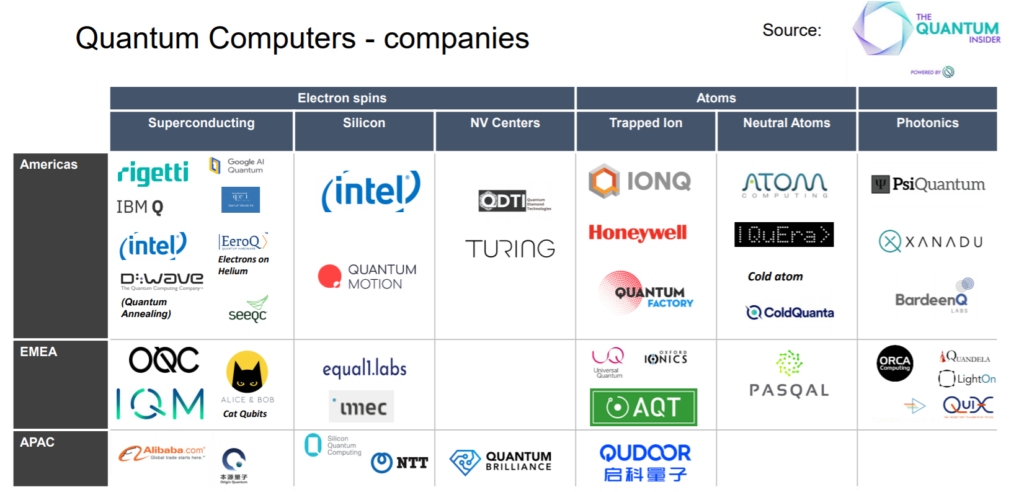
- PsiQuantum is one of a growing ecosystem of players developing quantum computers, see below (PsiQuantum top right). There are several approaches to building quantum computers and it is – as yet – still to be determined which approach(es) will thrive.
Funding data from The Quantum Insider
- Total investment in quantum technologies reached $1.8bn year-to-date July 2021, comprising 21 deals. This assumes all SPAC deals are fully financed.
- This compares to a total of $1.0bn raised in the full year 2020 and shows a rapid acceleration driven by this latest Series D and some large SPAC rounds from Arqit and IonQ.
Read more:
- 25 Quantum Cryptography & Encryption Companies [2022]
- 6 Companies Working With Photonic Quantum Computing Technology in 2022
- Quantum Computing Market Expected to Grow at Double-Digit Rate
For more market insights, check out our latest quantum computing news here.